Creating a Calm Corner in a Noisy Home
Life doesn’t always make space for peace. Whether you live in a loud apartment, share your home with others, or your brain never seems to quiet down, it can be hard to find a moment that feels like yours. That’s why I started carving out what I call a “calm corner”—a small, intentional space where my body and mind are reminded that it’s safe to slow down.
Did you know that Jane Austen wrote many of her works while being surrounded by family life? It seems such a strange concept today, but she was most likely able to create her personal space, despite her surroundings.
Here’s how you can create your own calm corner—even if you don’t have much room, money, or silence.
1. Start With a Purpose, Not a Product
Before you buy anything, ask yourself: What do I need this space to give me?
- A place to ground after a long day?
- A break from sensory overload?
- A ritual space for candles or cards?
- Just somewhere to sit without being needed?
Your calm corner doesn’t have to look like something from Pinterest. It just has to feel like relief.

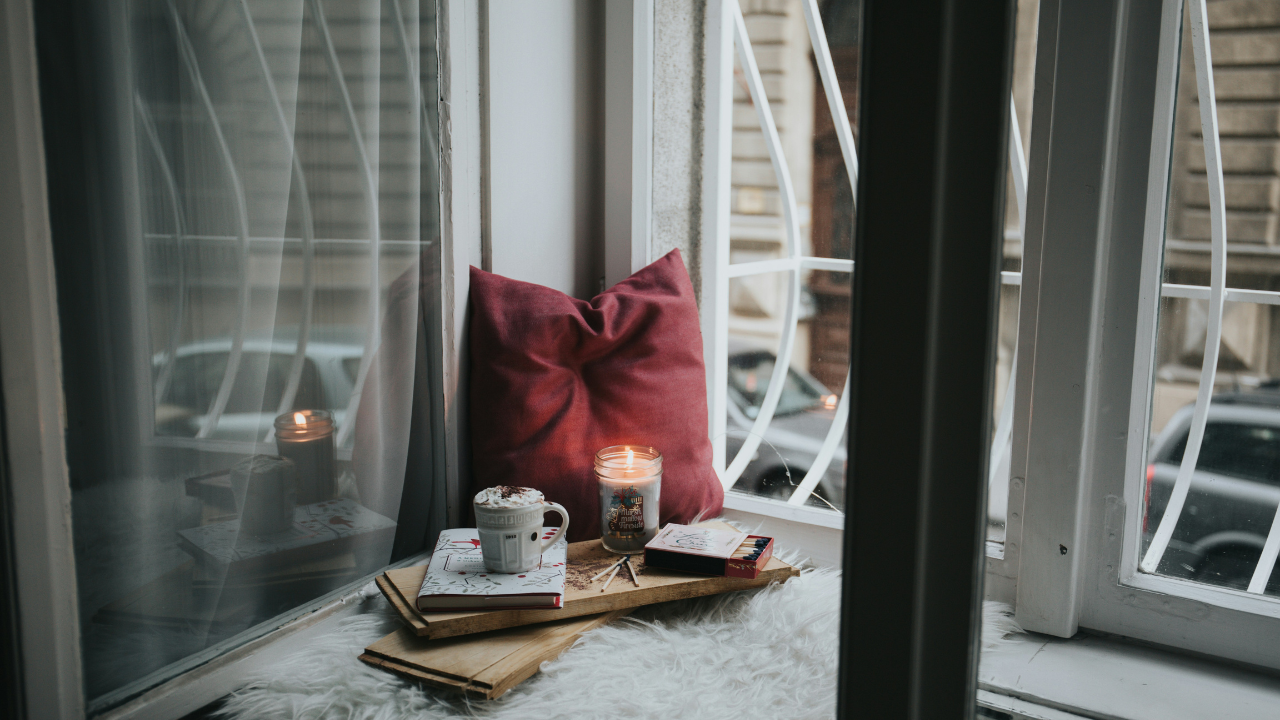
Photo by Annie Spratt on Unsplash
2. Pick a Spot That’s Slightly Out of the Way
This could be:
- The corner of your bedroom
- A small patch near a window
- The end of a hallway
- Even a section of your closet with a cushion inside
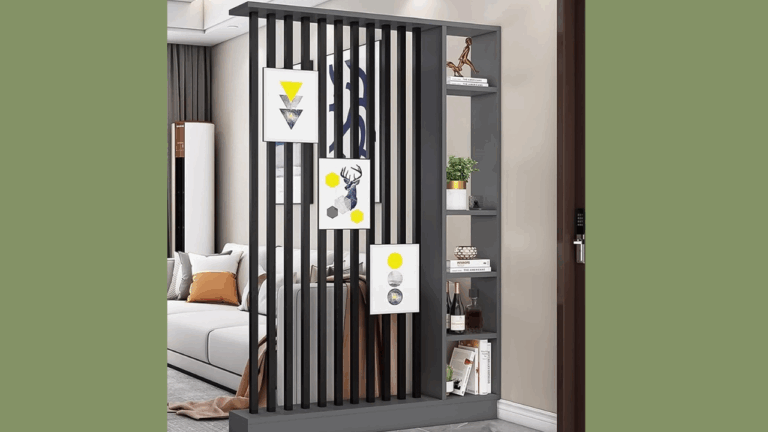
The goal isn’t isolation—it’s intention. A small rug, a screen, or even a visual boundary like a curtain can signal to your brain: this is different from the rest of the house.
If you live with people, set a visual cue that it’s your time—like a light, a shawl over a chair, or even headphones.
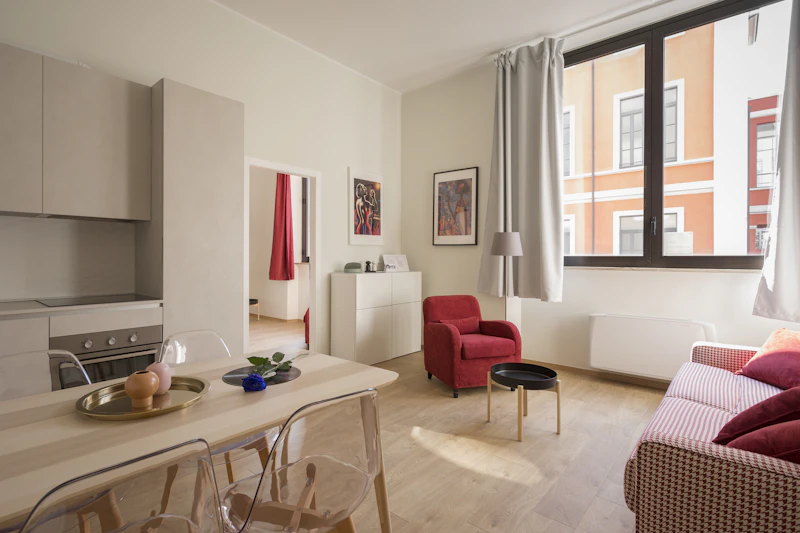
Photo by Toa Heftiba on Unsplash
3. Use What You Have First
Your calm corner doesn’t need to be bought—it needs to feel like home.
Try:
- A pillow or chair you already like to sit in
- A blanket that smells familiar
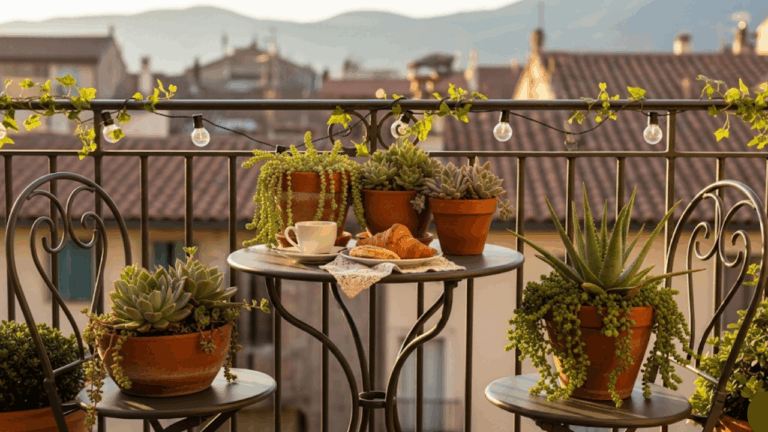
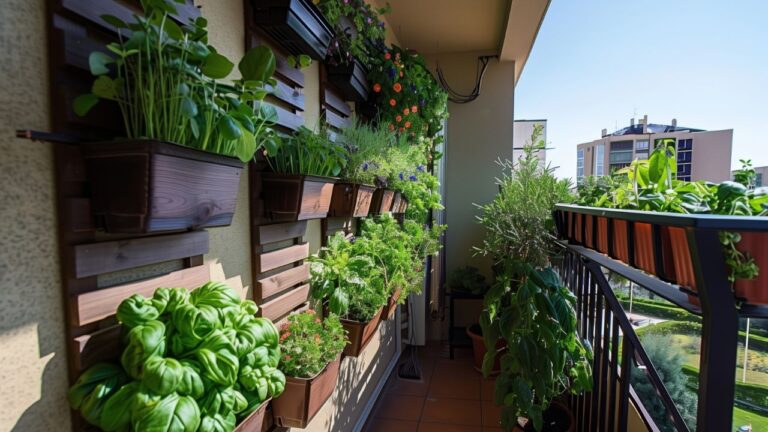
- A plant that reminds you to breathe
- One item that brings you comfort (a photo, crystal, cup of tea)
If you like sensory grounding, you might want to include:
- A textured object (like a woven mat or soft stone)
- A scent (essential oils, incense, or a spritz of lavender)
- Low lighting (salt lamps, fairy lights, battery tea lights)
These all tell your nervous system: You’re safe now.

Photo by Jordan Bauer on Unsplash
4. Keep It Flexible and Renter-Friendly
Your calm corner doesn’t have to be permanent. It can shift, move, evolve. Use:
- Command hooks for temporary shelves or curtains
- A fold-up cushion or stool you can tuck away
- A tray or basket to hold calming tools (oracle cards, journal, sensory items)
You can even create a “mobile sanctuary box” that you move from room to room—ideal for small apartments or shared spaces.
5. Make It a Habit, Not Just a Space
A calm corner is most powerful when you use it regularly. Try spending just 5–10 minutes there at the same time each day—even if you don’t “do” anything.
You might:
- Sit quietly with tea
- Do one round of square breathing
- Pull a card
- Light a candle and say nothing at all
Let it be what you need in the moment, not what it “should” look like.
Final Thoughts
You don’t need a soundproof room or perfect decor to feel grounded. A calm corner is a way of telling yourself: you matter enough to create peace, even in the middle of chaos. It’s not about escaping the world—it’s about giving yourself a place to return to.
💬 I’d love to know: What would your calm corner include?
Reply in the comments or tag @smallsanctuaries on Instagram with a photo of yours.