5 ADHD Home Organization Tools That Look Good Too
Let’s be real — organizing with ADHD is not about perfection. It’s about functionality and visibility. If I can’t see it, I forget I own it. Did it even exist? Plus, if it looks ugly or cluttered, I won’t use it — even though I’m the one who created the clutter in the first place!
Over the years, I’ve figured out a few simple tools and tricks that help me stay a little more focused — without sacrificing my home’s vibe. These are the things that have made ADHD home organization feel doable (and even kind of fun). Here are five things I swear by to organize my ADHD brain in a way that actually works — and looks good, too.
*Heads up: This post contains affiliate links. If you click and buy something, I may earn a small commission at no extra cost to you. It helps me keep this page going—thank you!
1. 🧺 Mesh Storage Containers That Let Me See Everything
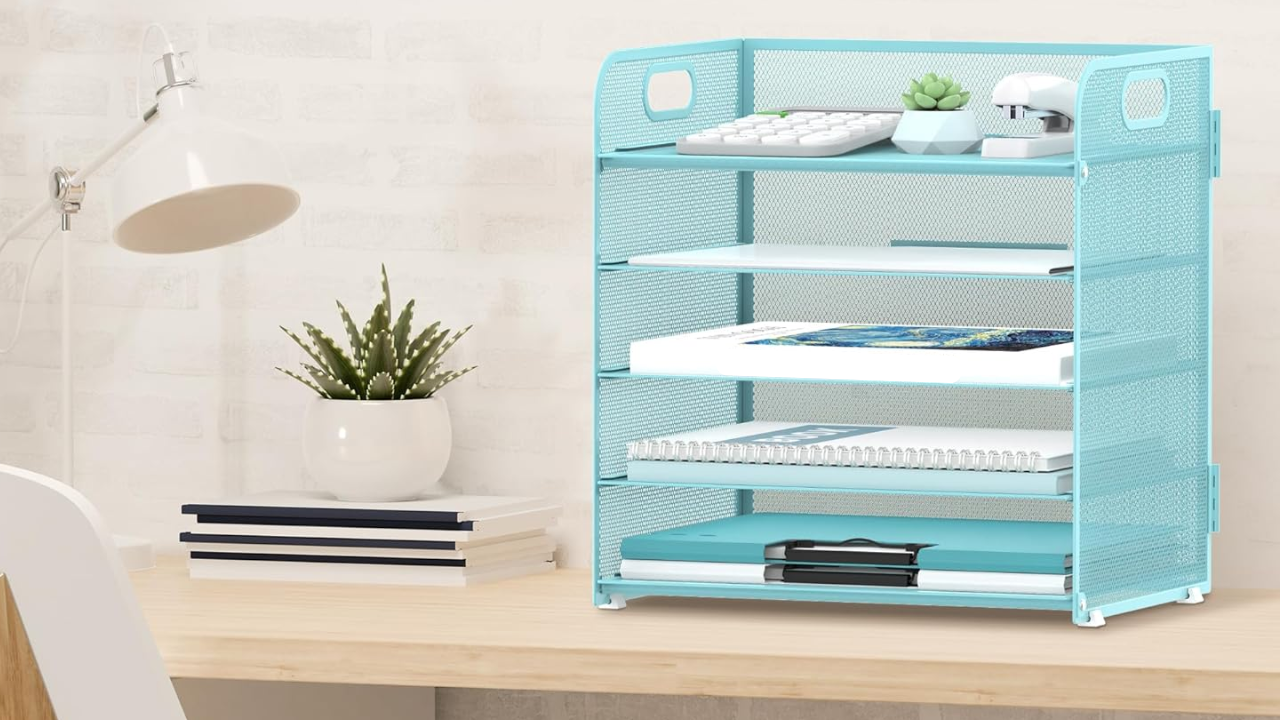
I love a basket — but if it’s opaque, I forget what I put in it. That’s why mesh or wire containers are essential for ADHD home organization. They keep things tidy and visible, which means I’m way more likely to use what I own instead of buying duplicates or forgetting I had it.
I use them for:
-
Tech cords and chargers
-
Toiletries
-
Art supplies
-
Snacks (seriously, out of sight = not eaten)
Look for ones in gold, black, or soft matte colors so they blend seamlessly with your space, rather than looking like office leftovers.
2. 🪞A Mirror Tray by the Front Door (aka: My Drop Zone)
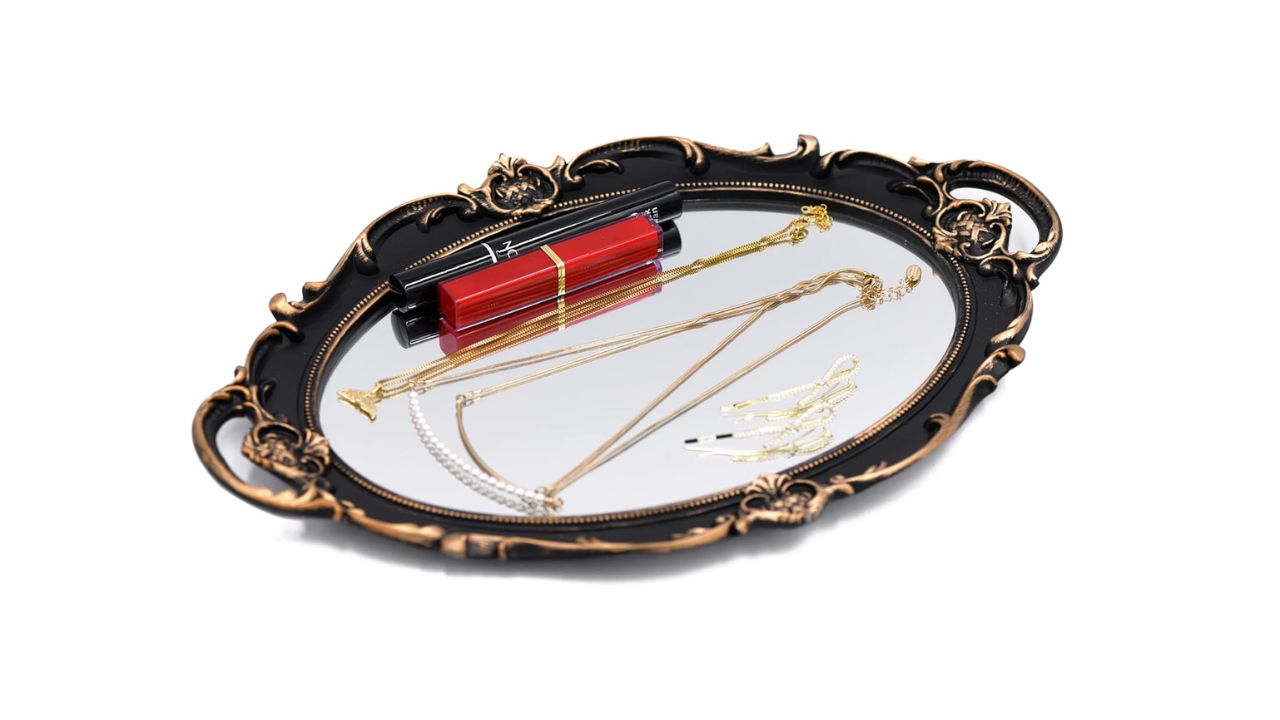
ADHD means my keys, sunglasses, and mail will migrate unless they have a home. I use a small mirrored tray to create a designated “landing zone.” I like this particular one because it has an antique aesthetic without being too gaudy.
Why it works:
-
The mirror catches light, so I notice it
-
It feels like decor, not just storage
-
It prevents clutter creep on the hallway table
If you’re more of a basket person, a shallow woven tray works just as well — just pick something nice-looking so it feels intentional.
3. 🎨 Color-Coded Labels (Yes, Even for Adults)
I didn’t think I’d get excited about labels as an adult, but here we are.
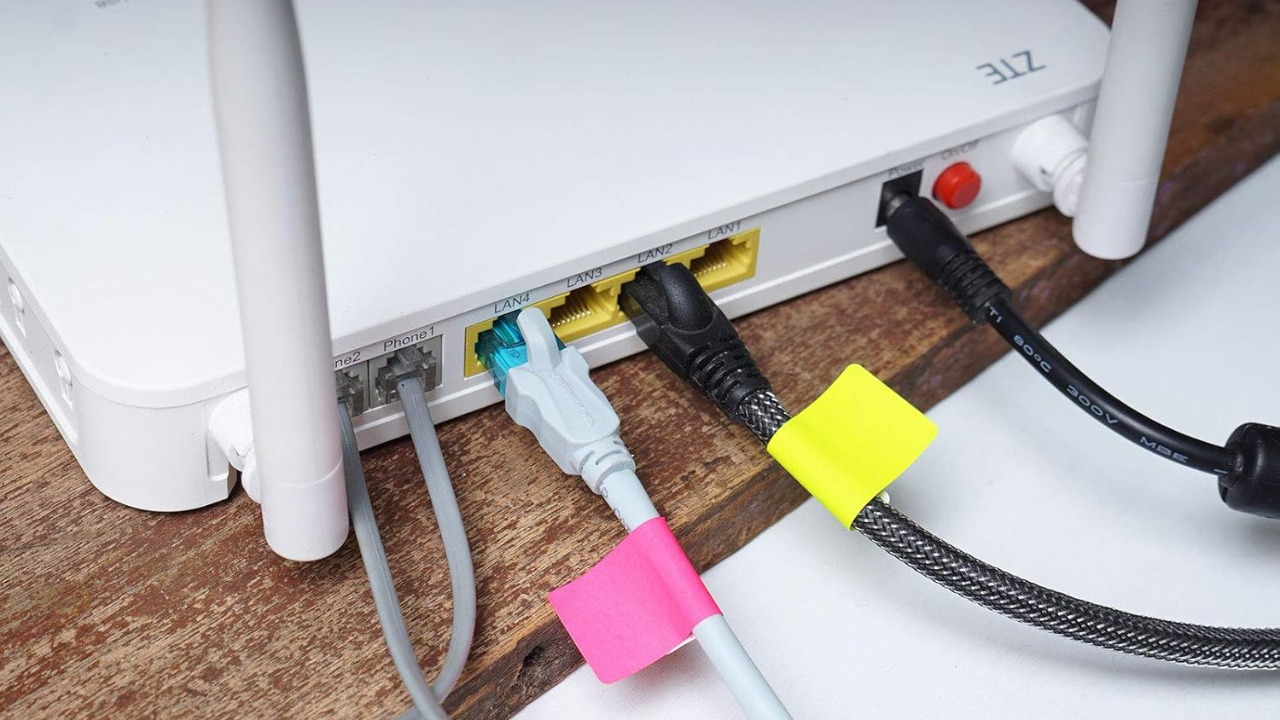
From drawers to pantry bins to random art supplies, color-coded labels help my brain instantly know what lives where — a huge win for ADHD home organization. I like to keep the look cohesive by sticking to muted tones or pastels, depending on the room.
If you don’t feel like designing and printing your own, these pastel color-coding stickers are a total lifesaver. They come in a pack of 400, are just the right size, and the colors are soft enough to blend into your space without looking like a school supply aisle exploded.
🖊️ Just grab a Sharpie and label away — no printer required.
4. ⏳ A Visual Timer for Tasks (That’s Not Ugly)
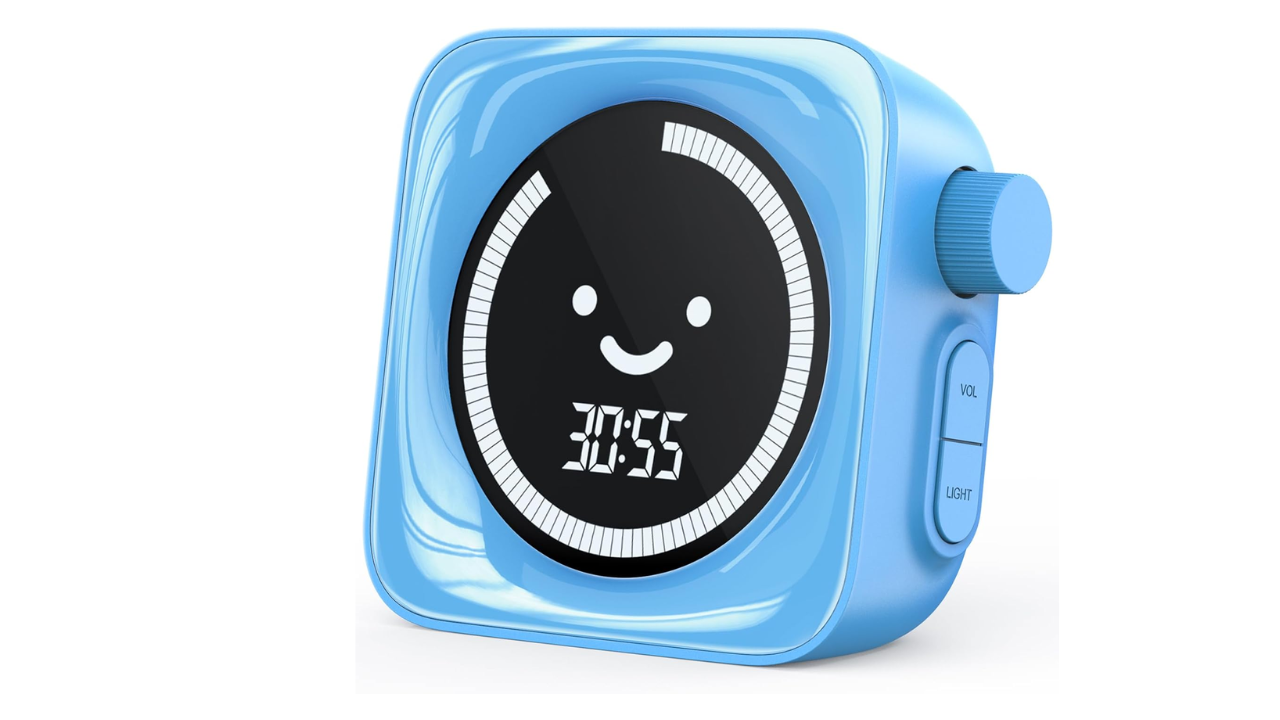
Ignore the Amazon description that this is for kids! I absolutely love it. There’s way too much emphasis on adults having boring and functional things.
ADHD + time blindness = a whole thing. I’ve started using a visual timer that actually looks nice on my desk or shelf.
Why I love it:
-
I can see time moving, which helps me stay on track
-
It doesn’t beep (bonus!)
-
It doubles as decor
I use it for cleaning sprints, writing sessions, even when I’m cooking. It’s like a tiny accountability partner.
5. 🖍️ Mini Chalkboards for Visual To-Dos
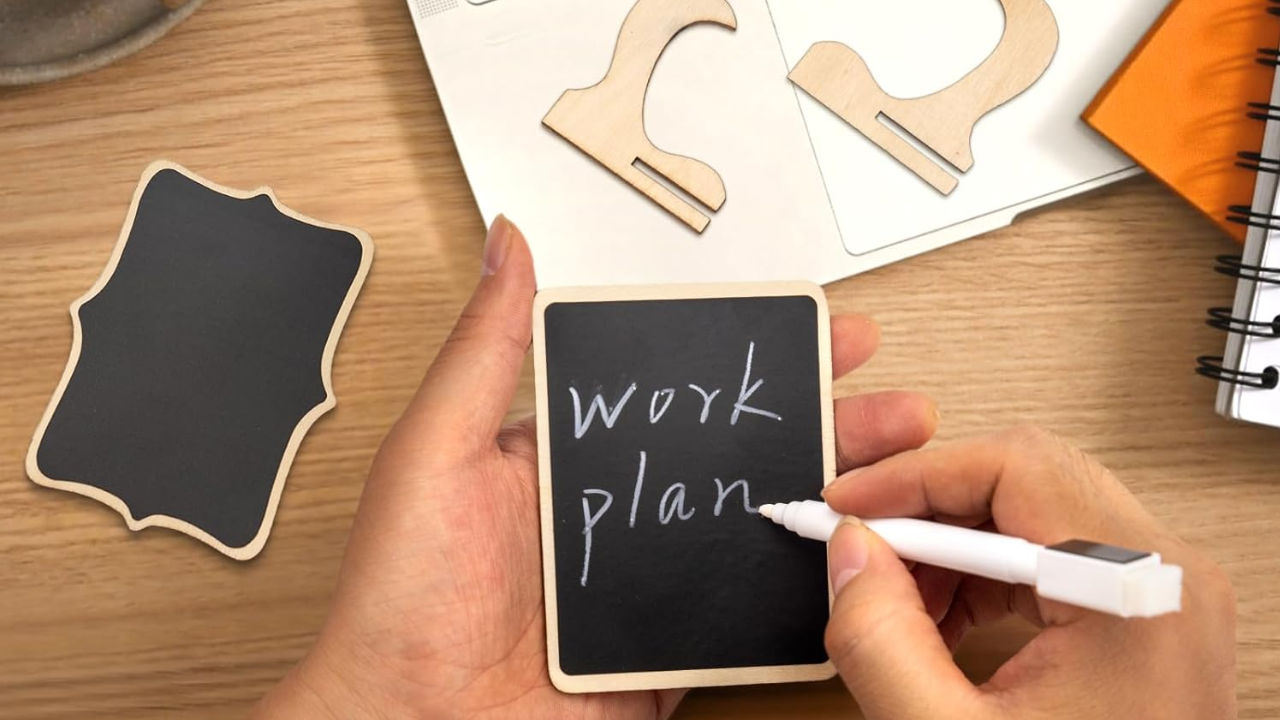
Using these mini chalkboards has been a small shift, but it’s made a big difference.
These little boards are tangible, visual, and actually kind of fun. They’re low-pressure — I can wipe things off, change my mind, and start over. And unlike sticky notes, they don’t end up stuck to the bottom of my bag or falling behind the couch.
They help my ADHD brain by giving me structure without feeling rigid. Having my week visible in a cozy, design-friendly way helps me feel more in control — even when life’s chaotic.
You don’t need a perfectly color-coded minimalist home to feel organized. You just need systems that make sense to your brain — and ideally don’t make your house look like a storage locker.
These five tools have become the foundation of my ADHD home organization approach. They help me balance function and style — and honestly, that balance is what keeps me coming back to them.