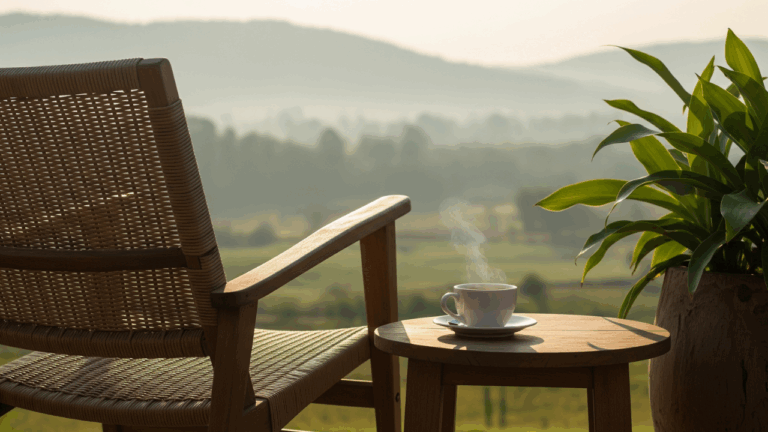

Pot Plants, Coffee, and Sanity: Therapeutic Gardening in Small Spaces
I’ve never really talked much about my pot plant garden. For a long time, I didn’t think it counted as “real” gardening. It’s not some sprawling backyard with raised beds or a lush, curated oasis. Just a handful of plants in pots—herbs, a few flowers, the occasional stubborn succulent—spread around a small space.
I have friends who grow their own vegetables and really know what they’re doing. Compared to them, my little setup felt too small, too simple—like it didn’t really count. But the truth is, this corner of green space gives me something I didn’t even know I needed: a place to slow down. A place to breathe. And I’ve come to realise others might need that too. You don’t need a meandering garden path or a backyard jungle. Just a few pots and a bit of care can be enough.
Over time, this space has become something more. When my brain’s overloaded, this is where I go. I sit with a coffee, tend to the plants, and let my mind settle. It’s quiet. It’s grounding. And it works.
I used to think connecting with nature meant heading into a forest or sitting in a park. But now I know—it can happen right here, in a few square feet of green. This tiny garden helps me reset and feel a little more like myself.
The Science and Reasoning
There’s a reason I keep coming back to my little garden when everything feels too much. Gardening has been shown to support mental health in all kinds of ways—especially for neurodivergent people.
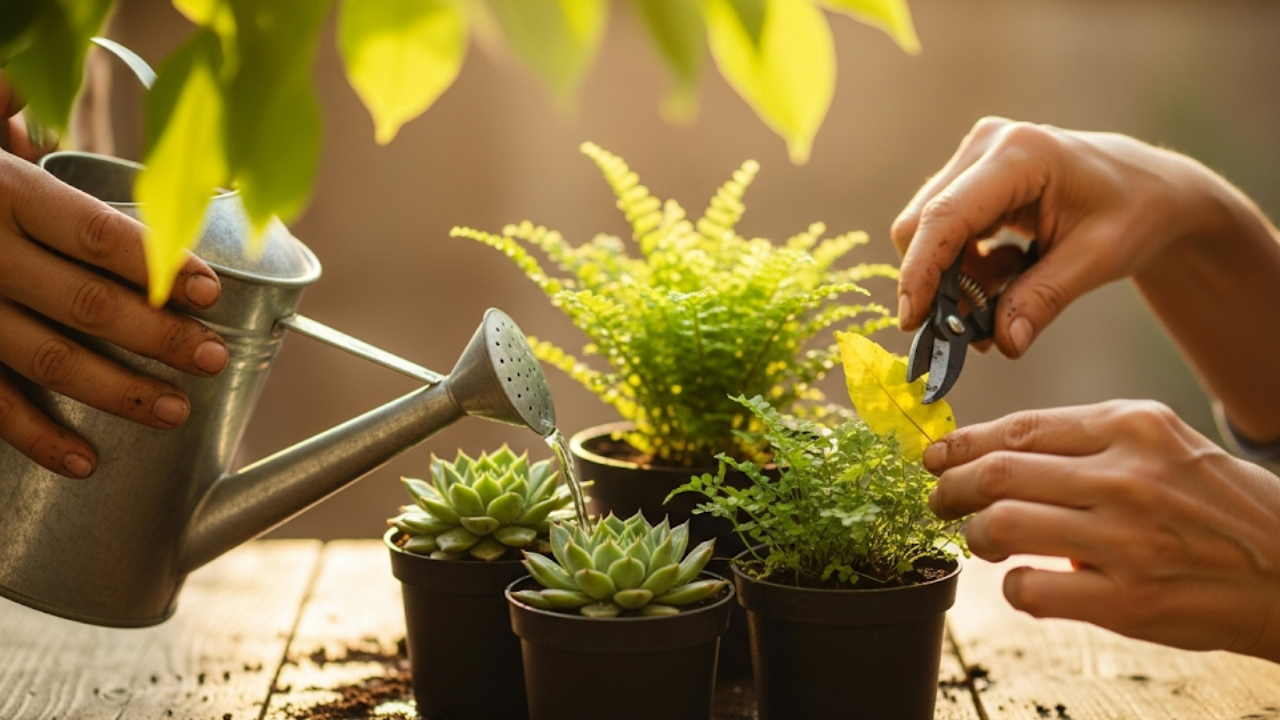
For me, it starts with the rhythm. Watering the pots, trimming off dead leaves, watching new shoots push through—it’s a quiet routine that helps when my brain is scattered or overstimulated. These small tasks give me something to focus on without pressure. It’s structure, without feeling like a chore.
There’s also the sensory part. Touching soil, brushing against soft leaves, catching the scent of herbs—it’s grounding in a way that’s hard to describe but easy to feel. And honestly? It’s also just pretty. That matters more than people think. A little burst of color, a plant thriving under your care—it lifts something inside you. It gives your brain something gentle to rest on.
Studies show that gardening can reduce stress hormones, boost mood, and improve focus. Others studies show the benefits of working greenery for those on the autism spectrum. But beyond the science, there’s something deeply human about creating a small patch of life and watching it grow. Especially for those of us whose brains often feel chaotic, that kind of calm is gold.
The Spiritual Element
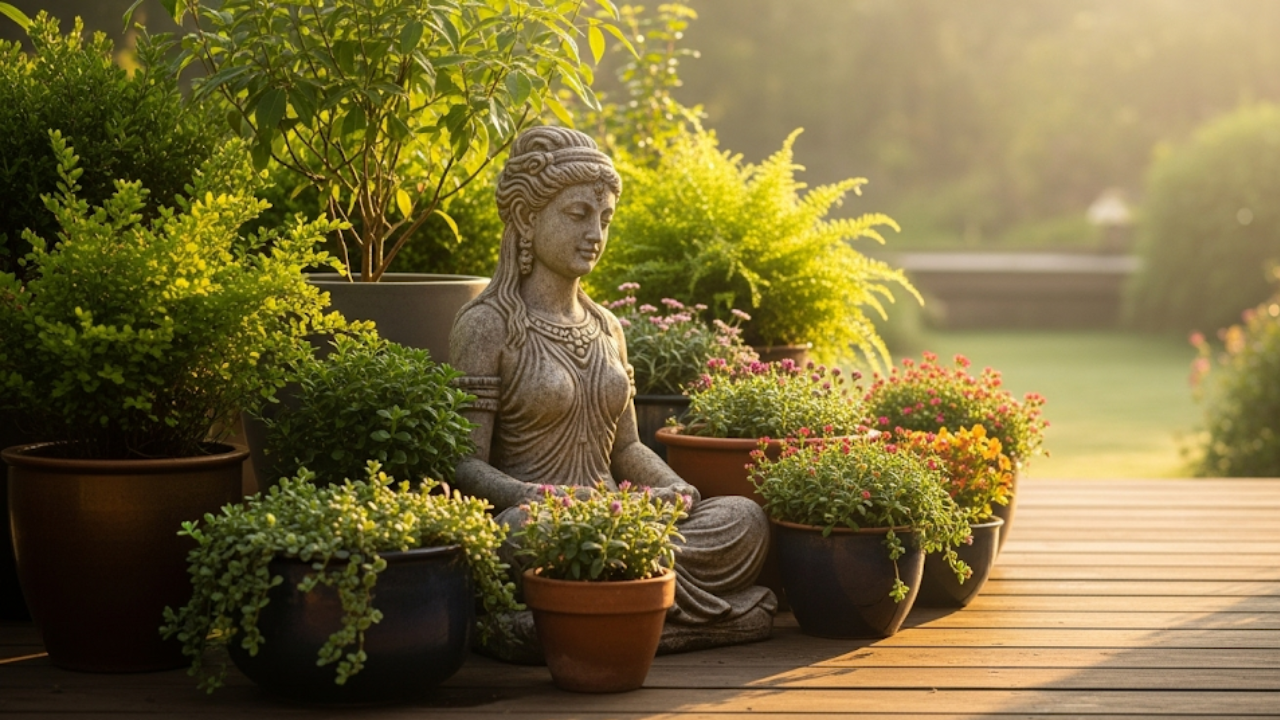
There’s a deeper layer to what happens when I spend time with my plants. It’s more than just calming my brain—it feels like a spiritual reset.
I believe in Mother Nature and the universe as living, breathing entities, and I feel the presence of ancestors and spirits around me. While I lean toward pagan and Wiccan ideas, I don’t follow any strict path. Instead, my garden becomes a personal space where those beliefs come alive in simple, everyday ways.
Tending to my plants is a quiet ritual—a way to check in with the natural world and with myself. Sometimes I set small intentions as I water or prune, like asking for clarity or calm. Herbs like rosemary, mint, and lavender feel like allies, carrying their own subtle energies.
This little garden isn’t just about plants—it’s a space where I connect to something bigger: the cycles of life, the spirits that walk with us, and the grounding power of nature itself.
Practical Tips for Therapeutic Gardening in Small Spaces
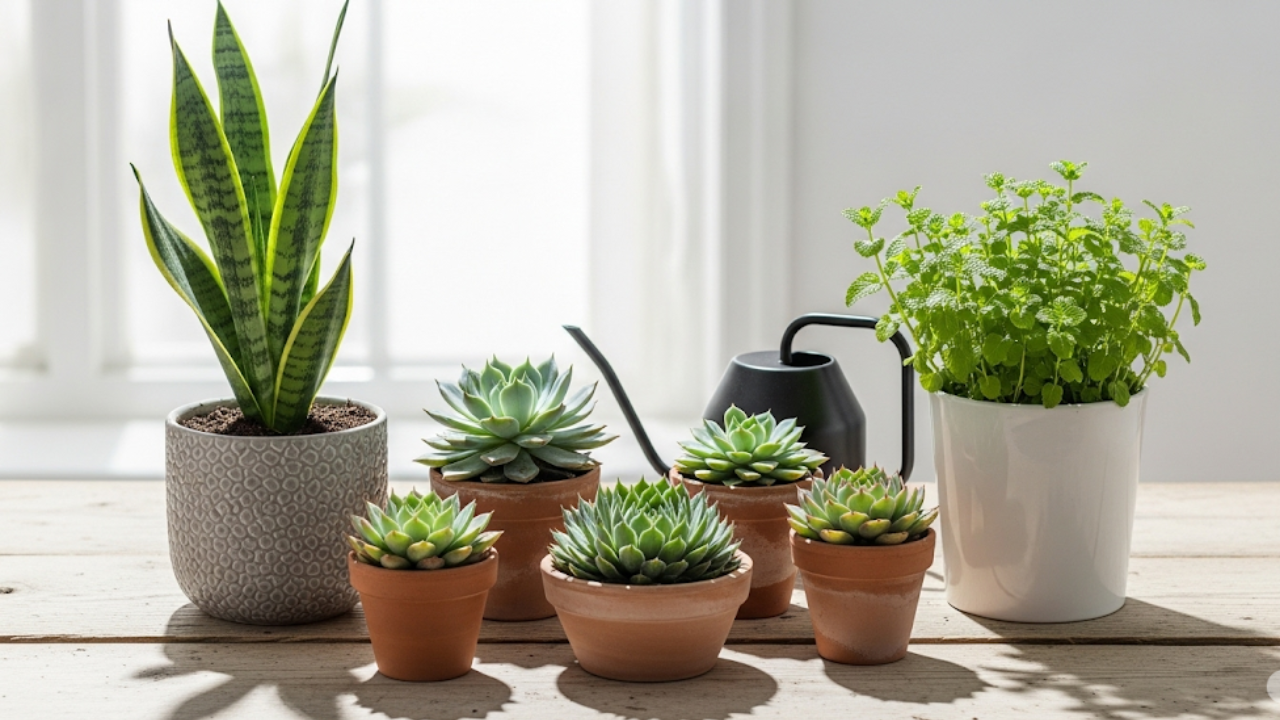
Starting a garden—even a tiny one—can feel overwhelming, especially when your brain is already juggling a lot. Here are some simple, ADHD-friendly tips to make gardening feel doable and enjoyable:
1. Start Small and Simple
Choose a few easy-to-care-for plants that don’t demand constant attention. Think snake plants, succulents, mint, or spider plants. These hardy options forgive forgetfulness and still bring life and color to your space.
2. Create Visual Reminders
Keep your plants somewhere you see them often—on a windowsill, your desk, or beside your coffee spot. Seeing them regularly can prompt you to water or check on them without relying solely on memory.
3. Pair Plant Care with Existing Habits
Link watering or pruning to something you already do daily, like having your morning coffee or brushing your teeth. This makes it easier to remember and builds a gentle routine.
4. Use Timers and Alarms
If reminders help, set a phone alarm or calendar alert for watering days. Apps with simple checklists can turn plant care into a satisfying habit.
5. Embrace Imperfection
Plants aren’t a test. If you forget a day or two, don’t stress. Many plants bounce back. Gardening is about connection, not perfection.
6. Mix Textures and Scents for Sensory Comfort
Include plants with different leaves and scents—like soft lamb’s ear, fragrant lavender, or crisp mint. These gentle sensory experiences can be soothing when the world feels too intense.
You don’t need a sprawling garden or a perfect green thumb to find peace and connection through plants. Even a small pot plant garden can be a quiet refuge—a place to breathe, reset, and feel a little more grounded when life feels overwhelming.
For neurodivergent minds, those simple moments of care and connection can make all the difference. And if you’re seeking a gentle spiritual reset beyond the garden, I’ve created a collection of affirmation mugs designed to help bring calm, focus, and intention to your daily rituals.
Your small garden, your way—that’s what matters most.