
Crocs, Dexter, and ADHD Hyperfixation: How Michael C. Hall Inspired My Identity Clash
The Shoes I Swore I’d Never Wear: Michael C. Hall ADHD Hyperfixation.
The morning light caught on the wings of the butterflies at my feet, their bright colors winking against the tiles of my kitchen. They weren’t real butterflies, of course—they were plastered across a pair of Crocs. Crocs I never thought I’d own. For years I’d rolled my eyes at the brand, holding fast to my wardrobe of blacks and greys—my style is more gothic undertone than playful whimsy. Yet here I was, padding around in shoes that clashed with everything else I own. That’s when it hit me—this wasn’t fashion at all, but a Michael C. Hall ADHD hyperfixation at play.
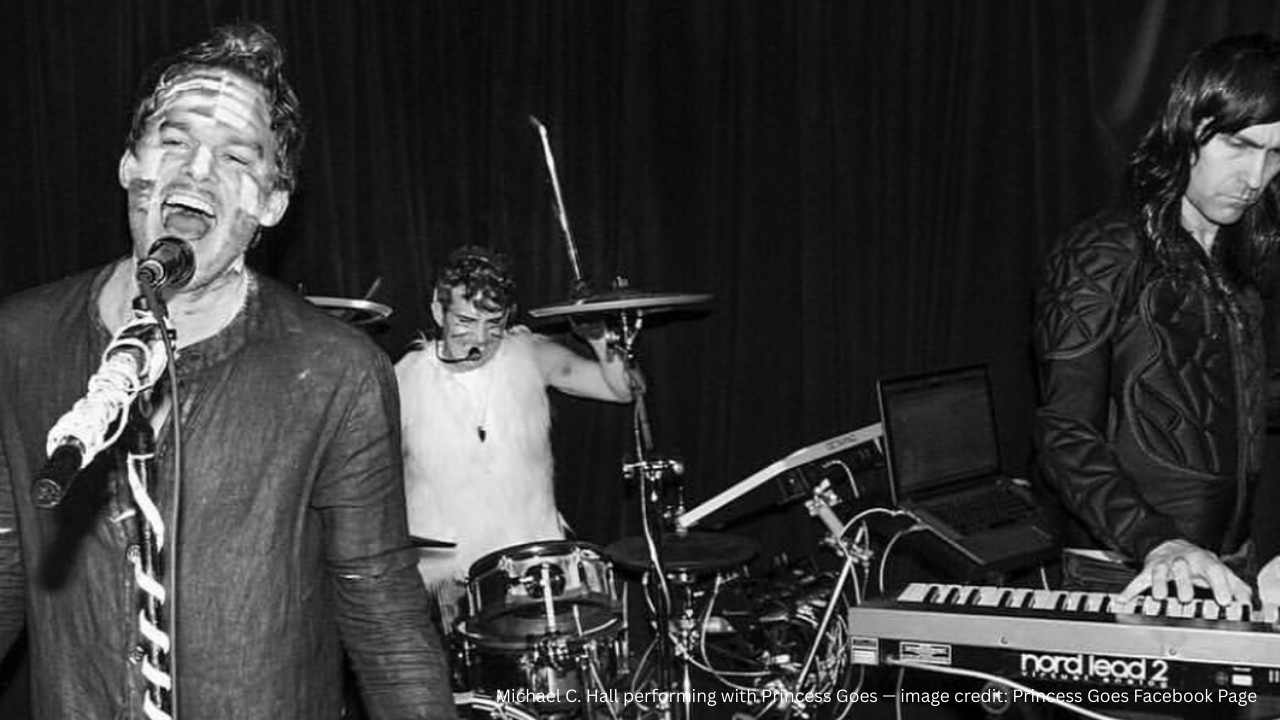
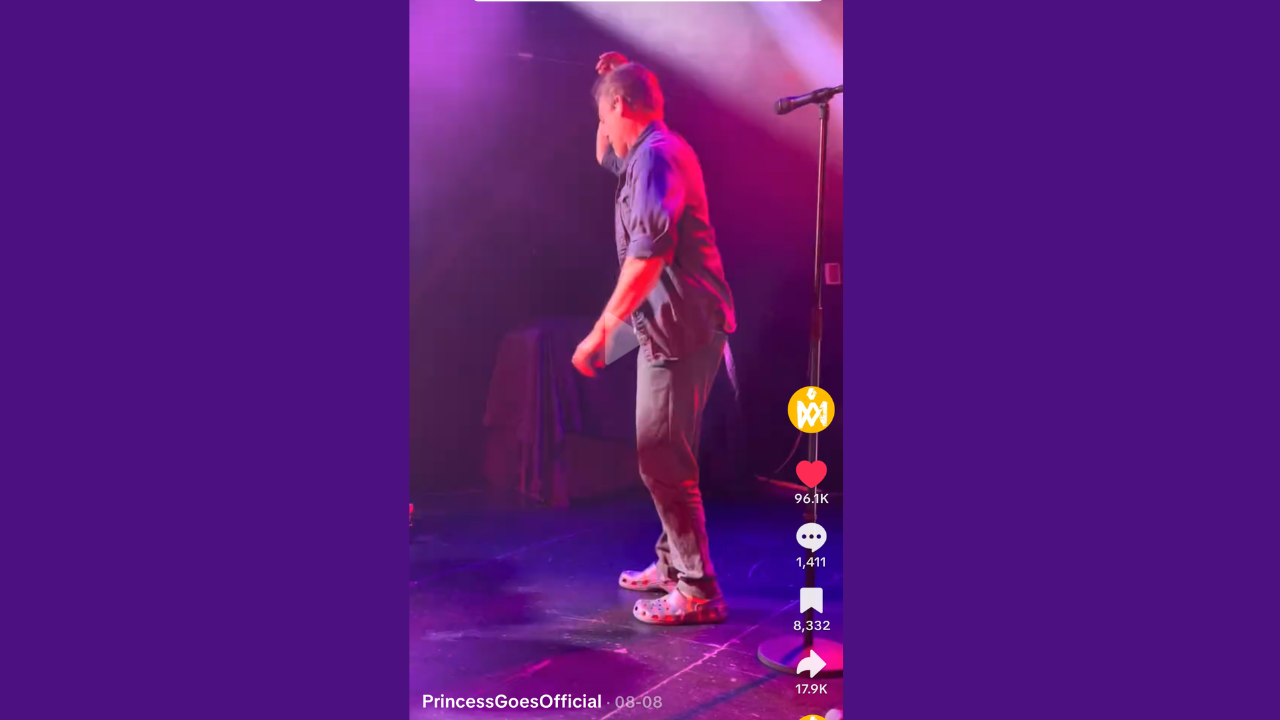
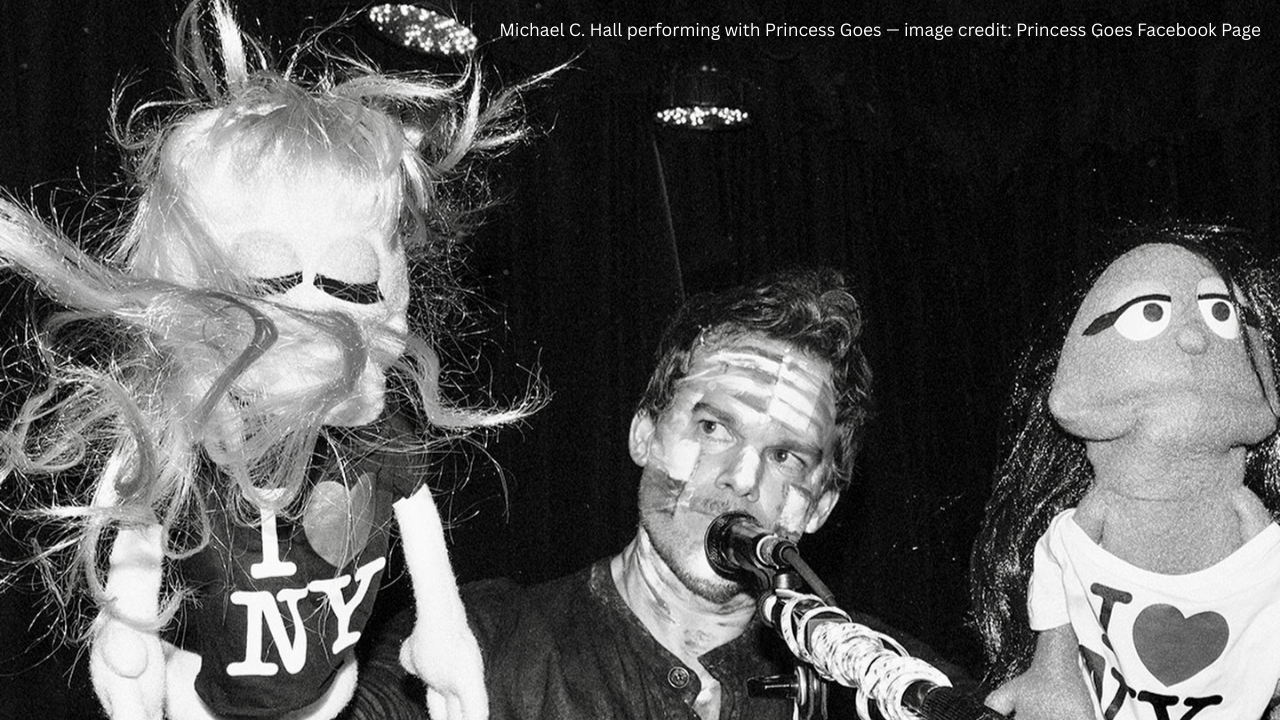
Six months of falling down the rabbit hole of Dexter and Michael C. Hall had led me here, to this unlikely footwear. Somewhere in that spiral, I saw him performing with his band Princess Goes, bouncing across the stage in a pair of Crocs. In a flash of childish delight, I hunted down my own butterfly version online. I convinced myself they’d be worn only at home, a private nod to a fixation I couldn’t quite shake.
But comfort has a way of rewriting the rules. Soon enough, the Crocs slipped into my daily outfits, mismatched and unapologetic, like an accidental souvenir from a journey I never meant to take.
Michael C. Hall, ADHD Hyperfixation, and the Dopamine Sanctuary
Here’s the strange part: Dexter has become my mirror. Not for his darker tendencies, but for that sense of being wired differently. He moves through the world with a set of rules no one else can see, constructing systems just to pass as “normal.” For many of us who are neurodivergent, that’s a familiar story—a constant negotiation between what feels natural inside and what makes sense to everyone else. I’d long wondered why I related to Dexter so much, why every win for him felt like a win for me. Looking back, I realize it’s because I didn’t have many of my own wins socially, but watching someone like him—someone like me—succeed fed the dopamine my brain was always chasing.
When I watch Dexter, I don’t see a killer. I see the quiet labor of masking—the endless effort to smooth your edges until you almost disappear, just to fit the puzzle. Being late diagnosed with ADHD means I can now trace all the moments I fought to belong, never quite succeeding. Sometimes it makes me wish I’d had a father like Harry, someone to hand me the rules I was always missing, to show me how to pass as normal.
The Mask of Normalcy and How It Feels to Slip It Off
And so the Crocs are a symbol of sorts. They’re not me, not in the way my black clothes are. But they are me in another way—the impulsive, curious, unfiltered side that ADHD brings to the surface. They clash with my outfits in the same way ADHD sometimes clashes with my carefully constructed routines. Yet there’s a strange harmony in that clash, a reminder that identity isn’t about consistency, but about embracing the contradictions.
What makes the Crocs irresistible isn’t just their comfort; it’s the dopamine hit they carry with them. For a neurodivergent brain, that rush of pleasure—whether from new shoes, a hyperfixation, or a song on repeat—feels like sanctuary. Looking at them brings me an internal joy, for now, a bright little fix that quiets the noise and lightens the weight of overthinking. They’ve become more than footwear. They’ve become a small, private refuge.
So yes, I relate to Dexter. Not as a serial killer, but as someone who knows what it feels like to wear a mask of normalcy while my mind follows its own crooked path. These butterfly Crocs, born from a Michael C. Hall ADHD hyperfixation, are a reminder that identity doesn’t need to be consistent. Sometimes the clash itself is sanctuary.