Fighting Ignorance: What this Maynard James Keenan Quote Can Teach Us
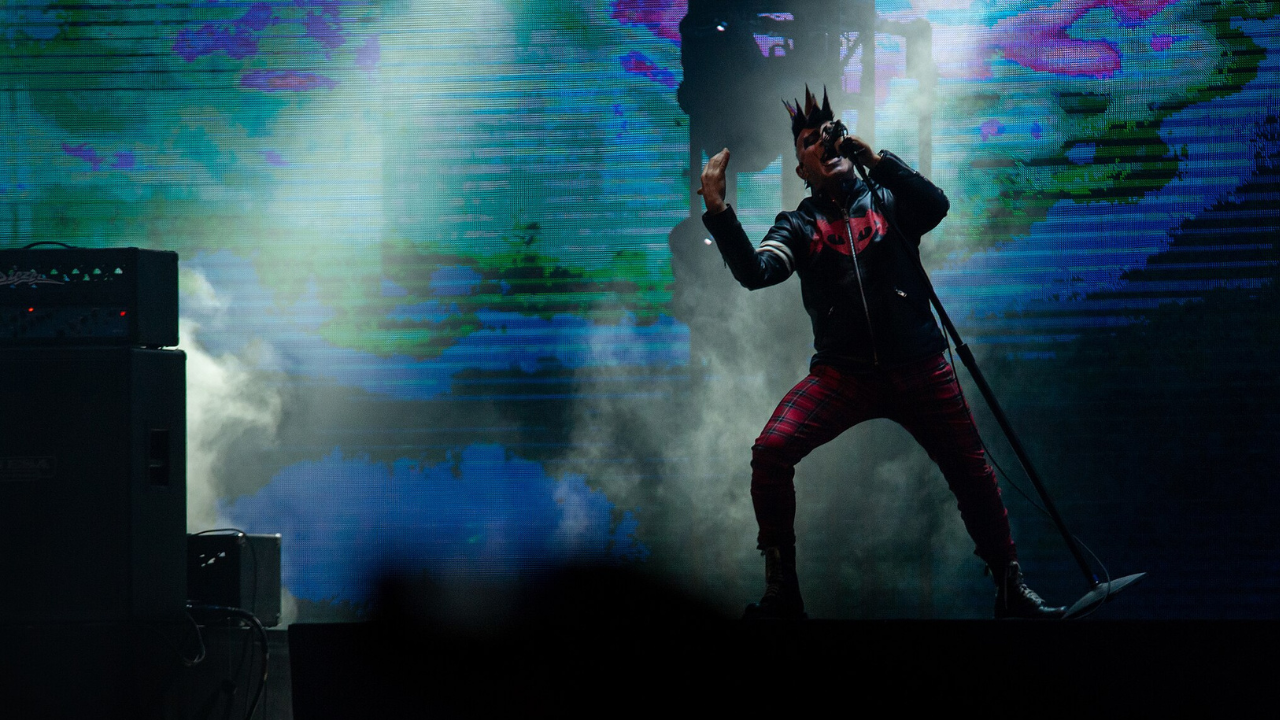
“I’ve got some good news and I’ve got some bad news. I’m just gonna tell you both of them at the same time: Fox News, Huffington Post, the left, the right, Trump, Breitbart, Facebook… none of these things are your enemy. Your enemy is ignorance, that’s the fight.”
— Maynard James Keenan quote, musician (Tool, Puscifer, A Perfect Circle)
When I first read this quote in Loudwire, I thought: Yes. That’s it. We spend so much time blaming the left, the right, the media, social platforms, politicians—whatever source feels like the problem of the week. But the Tool frontman cuts straight to the truth. This quote may be eight years old but it’s relevant now more than ever— the real enemy is ignorance.
And ignorance isn’t just “not knowing.” It looks like sharing a story without checking the source, only skimming the headline instead of reading the whole article, or relying on one outlet and never seeing how others are covering the same event. It’s letting outrage drive your reaction before you stop to ask, “Is this even accurate?”
And yet, we’re human. I’ve been guilty of seeing a headline, feeling the outrage hit, and immediately hitting “share.” Later, I’ve circled back, fact-checked, and realized the story wasn’t quite what I thought. It’s humbling, and honestly, a little embarrassing. But it happens to all of us. We’re wired to react fast—sometimes faster than we’d like.
The Noise We Live In

Ignorance thrives in the constant noise around us: breaking news banners, viral posts, clickbait headlines, endless comments and opinions. It’s exhausting and, at times, deeply discouraging. No wonder it’s so easy to get swept away. It’s exactly what the Maynard James Keenan quote warned about — ignorance isn’t abstract, it’s fed by the flood of information we wade through each day.
The harder part is figuring out who to trust. No outlet gets it right every time, and every platform comes with some kind of bias. As much as you love your friends and family, relying only on what they share — or believing something simply because it confirms your own bias — isn’t helpful either.
What helps is slowing down. I’ll look at how different outlets report the same story. If the details keep lining up, I feel more comfortable trusting them. When I can, I’ll go to the source — a transcript, a court record, an official statement — rather than settling for a summary. If something feels too shocking or perfectly crafted to spark outrage, I fact-check it before sharing. And I’ve learned to tell the difference between reporting and commentary, because those over-the-top headlines designed to rile people up almost always belong in the second category.
There’s no single “perfect” news source. The best we can do is build habits that help us see through the noise — and stop ignorance before it spreads.
The Power of the Public
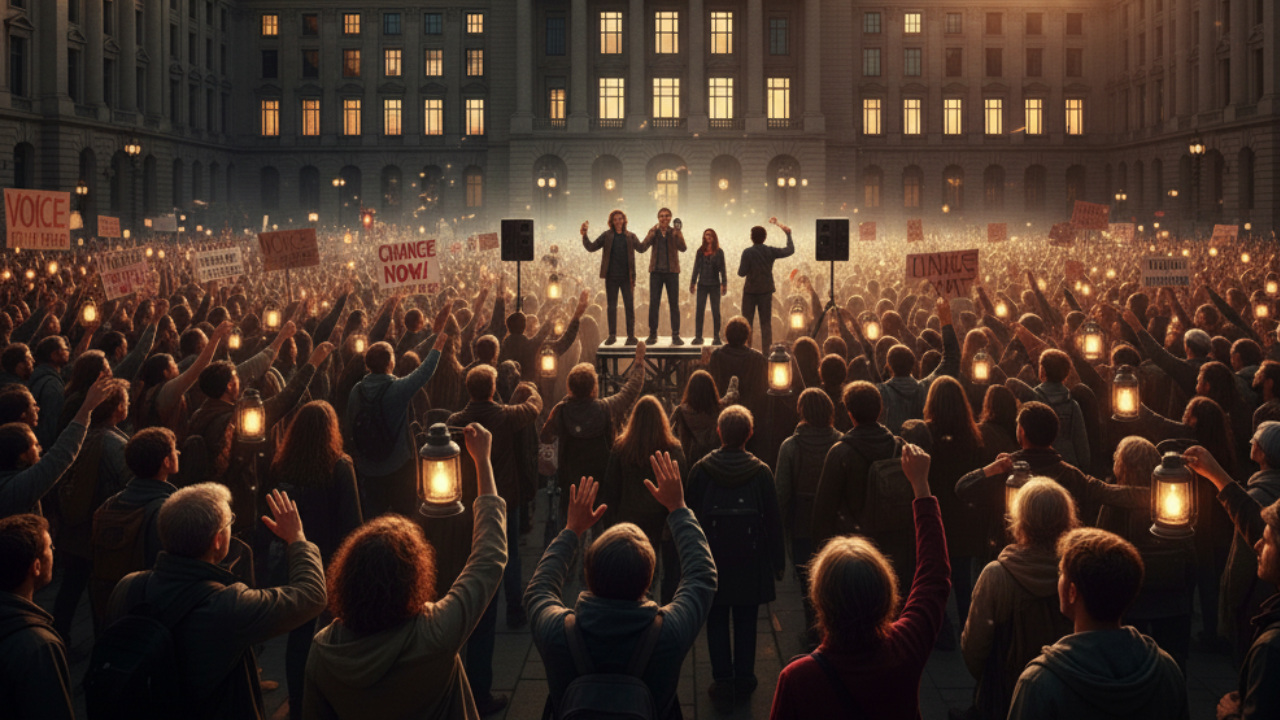
Of course, it’s not only about what we do as individuals. Everyone from media outlets to politicians has an agenda. News organisations want subscribers and clicks. Politicians want votes. That’s just how the system works.
What matters is how they go about it. There’s a line between presenting information through a lens and twisting it outright to stir up fear or outrage. That’s why the fight against ignorance is both personal and collective. We need to build better habits ourselves, while also holding institutions accountable for how they inform us.
The general public has more influence than it often feels. Every click, share, subscription, and vote sends a message about the kind of content we’re willing to accept. Supporting outlets with strong fact-checking, subscribing to independent or local journalism, or refusing to spread misleading stories makes a difference. Writing to newsrooms about poor coverage, asking politicians harder questions, and voting with integrity adds to the pressure. Even the conversations we have with friends and family matter — sharing a mix of perspectives shows that truth is rarely one-sided.
At the end of the day, media organisations care about reputation and revenue, and politicians care about votes. If we reward honesty and pull support from dishonesty, we start to shift the balance.
Small Sanctuaries for Your Mind

All of this isn’t just about facts and accountability. It’s also about protecting your mental health. Living in a constant cycle of outrage headlines, misinformation, and endless arguments can make you feel like you’re losing your grip. The noise gets inside your head until it’s hard to separate what’s real from what’s designed to keep you angry.
That’s why I return to the idea of small sanctuaries. Simple, intentional moments that create breathing room: journaling instead of doomscrolling, making a cup of tea before checking the news, or stepping outside for a short walk. These tiny rituals don’t just help you push back against ignorance — they calm the mind and bring clarity when everything feels overwhelming.
This Maynard James Keenan quote stays with me because it’s not just about politics or the media — it’s about how we protect our own peace of mind. Because at the end of the day, the fight isn’t only about the world “out there.” It’s also about protecting your own peace of mind. When you can do that, the noise feels less crushing, and the world feels a little easier to carry.