Anne of Green Gables Gifts: Imagination and ADHD
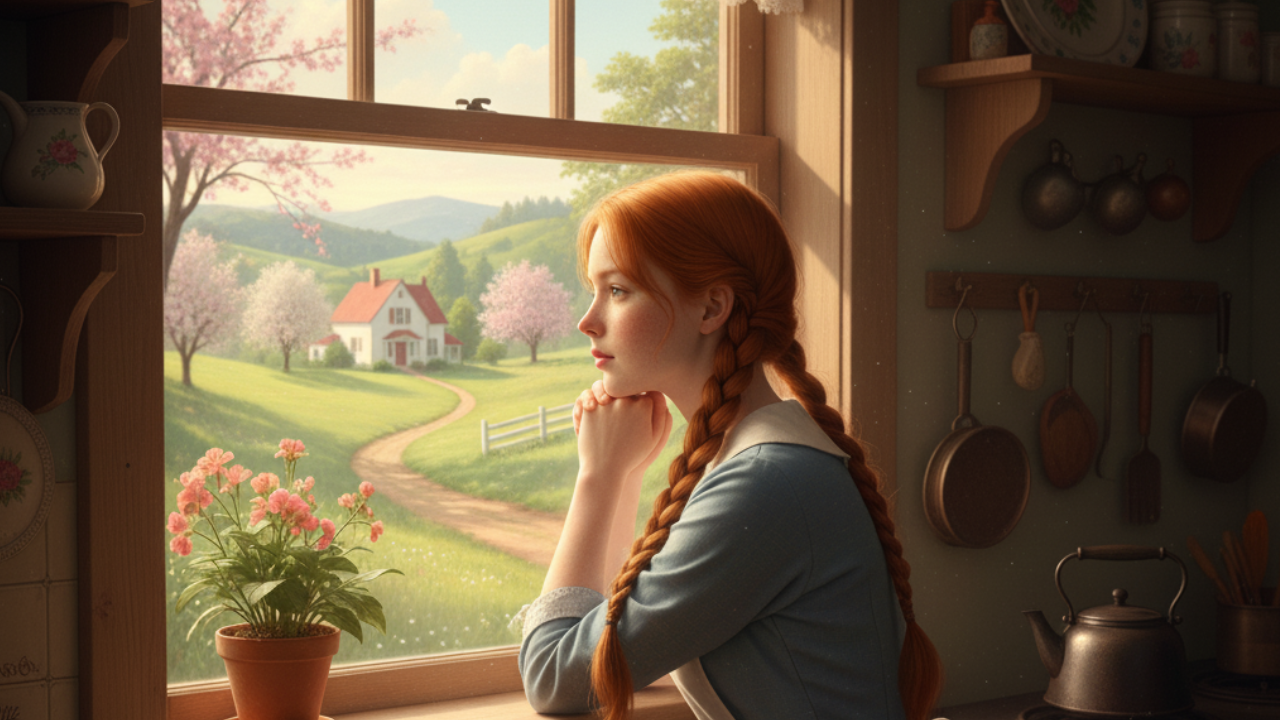
The old oil heater popped and crackled in the corner of our Newcastle lounge room. Its smell of warmth and metal filled the air. I curled up on the couch with a hot chocolate as the 1980s Kevin Sullivan adaptation of Anne of Green Gables flickered to life on the TV. Megan Follows, with her fiery braids and wide eyes, became the Anne Shirley I’d carry with me into adulthood.
Anne’s world was chaotic and enchanting. She smashed a slate over Gilbert’s head, accidentally got her best friend drunk, and flavored a cake with linseed oil instead of vanilla. She was scatter-brained, impulsive, and endlessly curious—and she won hearts for it. I wanted to win hearts, too. I related to Anne’s quirky nature. People loved Anne’s quirks, but few people saw mine as endearing. Perhaps I couldn’t “talk the hind leg off a mule,” as Marilla put it in the TV adaptation, but in so many other ways, she was like me.
Looking back now, I can see those moments in a different light. The very traits that made Anne so unforgettable are the ones many now recognize as signs of ADHD. They are traits I also came to recognize in myself much later, after my own diagnosis.
Anne Shirley and ADHD Traits (Then and Now)
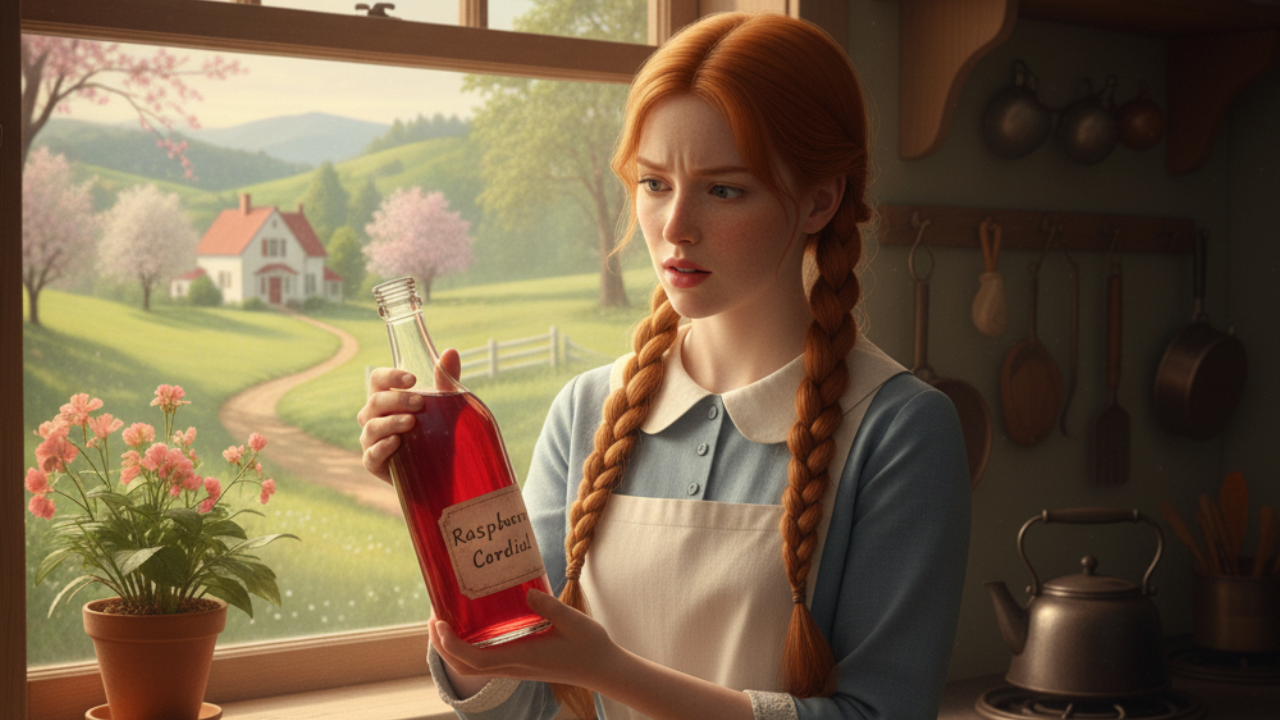
Over the years, scholars and fans have speculated that Anne may be one of literature’s earliest examples of a character with ADHD. Her impulsive outbursts, bursts of hyperfocus—whether storytelling, writing, or daydreaming—her distractibility in school, and her difficulty fitting into social expectations all resemble traits associated with ADHD, especially in girls.
ADHD might seem more common today, but that’s because we now have the language and diagnostic tools to recognize it. In Lucy Maud Montgomery’s time, there was no framework for understanding neurodivergence in children. Girls in particular were often overlooked or dismissed as “daydreaming” or “being difficult.” Characters like Anne remind us that ADHD has always been part of the human experience. We just didn’t always know what to call it.
Anne is more than “scatterbrained.” She embodies boundless creativity and emotional sensitivity—qualities many women with ADHD recognize in themselves. For readers living with ADHD, Anne feels like a kindred spirit. She shows us that being “different” is not a flaw but a gift. Her creativity, empathy, and relentless enthusiasm for life remind us that neurodivergence carries its own kind of brilliance.
What Scholars Say About Anne and ADHD
I’m not the only one who’s noticed Anne’s quirks through an ADHD lens. Doctors Jessica Katz Edison and Christopher Clardy wrote in a medical journal that Anne shows many of the same hyperactive and inattentive qualities we associate with ADHD today. Unlike the negative way children were described back in 1902—when ADHD was framed as a “defect in moral control”—Anne is portrayed as imaginative, sensitive, and lovable. The authors even suggest that Lucy Maud Montgomery may have written Anne in her own image.
In 1902, children with ADHD-like traits were described as having an “abnormal defect in moral control.” By contrast, Anne Shirley is celebrated for her imagination and spirit.
More recently, a thesis by Darian Aleyna Wilson from the University of Nebraska situates Anne in the wider cultural conversation about ADHD. Wilson explores how literature shapes our understanding of neurodivergence and argues that Anne’s character reflects more than “deficits.” She represents creativity, girlhood, and the different ways people experience the world.
Together, these perspectives validate what so many of us already feel: Anne doesn’t just survive because of her differences—she thrives because of them. What stands out to me most is her ability to find joy in the smallest of moments. It’s a quality I’ve often wished I could embody more fully myself, especially since my own ADHD diagnosis. Learning to see the world through that same lens of wonder feels like a way to bring a little more positivity into everyday life.
Gratitude and the Anne Spirit
Anne of Green Gables’ gifts have always been her ability to delight in simple things: the bend in the road, the shimmer of a lake, or the beauty of flowers on a windowsill. Psychologists today often connect this outlook with the practice of gratitude.
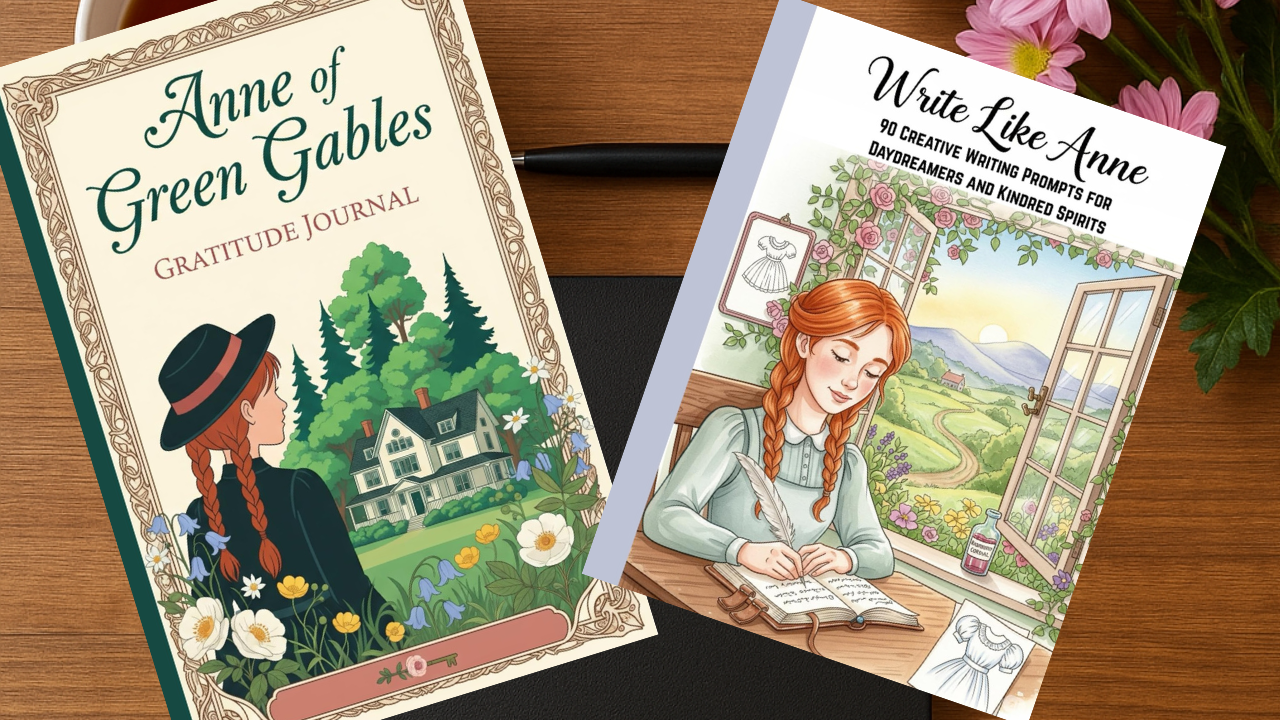
That’s why I created my Anne of Green Gables Gratitude Journal—a way to bring Anne’s spirit of wonder into everyday life. At first, it was simply a project for myself, but I soon realized that other kindred spirits might find joy in it too. The journal offers space to notice the little things Anne would have celebrated: morning light in the kitchen, the scent of fresh-brewed tea, or the comfort of a good book.
And because Anne loved nothing more than spinning stories out of everyday life, I also created Write Like Anne: 90 Creative Writing Prompts. It’s a journal designed to spark imagination using the world of Avonlea as a basis.
Note: If you’re not in the US, head to your own country’s Amazon and search for the books there—you’ll usually find the best price that way.
Anne of Green Gables Gifts for the Heart
When we think of Anne of Green Gables gifts, we often picture collectible editions, themed mugs, or keepsakes for fans. But Anne also gives us intangible gifts: imagination, resilience, and a reminder to find beauty in the everyday.
Anne Shirley has been called scatterbrained, impulsive, and dreamy, but those are the very qualities that make her timeless. For readers like me, living with ADHD, her quirks feel less like flaws and more like gifts—reminders that imagination, sensitivity, and joy in small things are strengths worth celebrating. Over a century after Lucy Maud Montgomery first introduced her to the world, Anne still gives us something precious: permission to see ourselves differently.