
Simple Routines for ADHD: Daily Rituals for Calm and Focus
Rituals don’t have to be big or complicated to make a difference. For me, the little things—like brewing coffee in the morning or tending to my plants—anchor my day and provide a moment of calm. These small rituals are also my simple routines for ADHD, woven into my environment to help keep my brain grounded. They give my brain little hits of dopamine—the feel-good chemical that ADHD brains often struggle to regulate—which makes them both comforting and motivating. They’re not about perfection or productivity—they’re about creating a rhythm that makes me feel at home in my own life.
1. What I Mean by “Rituals” and Why They Matter 

When I say “rituals,” I’m not talking about formal ceremonies or elaborate routines. I mean the everyday actions that carry personal meaning—small habits that mark the passage of time and give structure to your day.
-
Making a cup of tea at the same time every afternoon.
-
Opening the curtains to let in morning light.
-
Putting on music while you cook dinner.
Research shows that rituals provide emotional comfort and a sense of control, especially during stressful times (American Behavioral Clinics). These little touchpoints become anchor points in an otherwise unpredictable day.
2. Examples of Small Rituals Tied to Your Environment

Your surroundings can spark or sustain a ritual. That favourite mug, the scent of your coffee beans, the sound of your kettle—these sensory cues signal that it’s time to slow down and connect with the moment.
Here are a few examples from my own life:
-
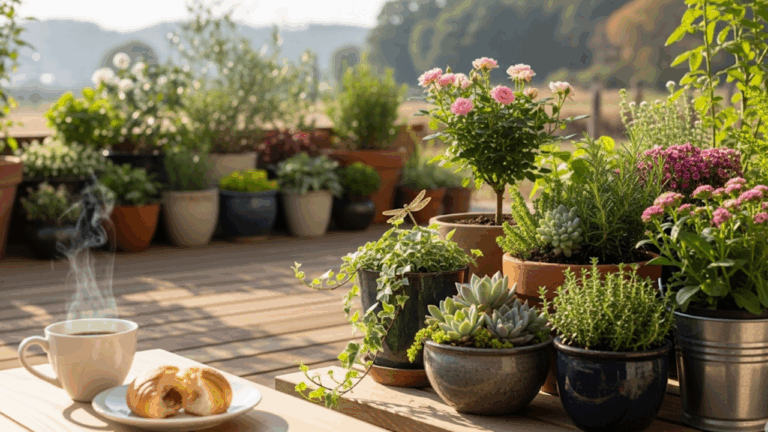
Morning coffee — Grinding the beans, hearing the rhythmic hum of the machine, breathing in the warm, earthy aroma. I also have particular mugs or cups that I like that make the ritual more meaningful. There’s a particular feeling that I gain from a dainty Victorian-style tea cup and saucer that makes the moment more special.
-
Watering plants — Choosing a scent that fits my mood, watching the flicker of the flame, letting the warm glow signal it’s time to shift into a different headspace. For me, lighting a candle feels like more than ambiance—it’s a small ritual of intention, a way to stir a little everyday magic into my space. The same is true when I tend to my plants. Exposure to greenery and natural light has been shown to reduce stress and restore attention (Time Magazine). I’ve also written more about the calming benefits of low-maintenance plants for ADHD minds here.
-
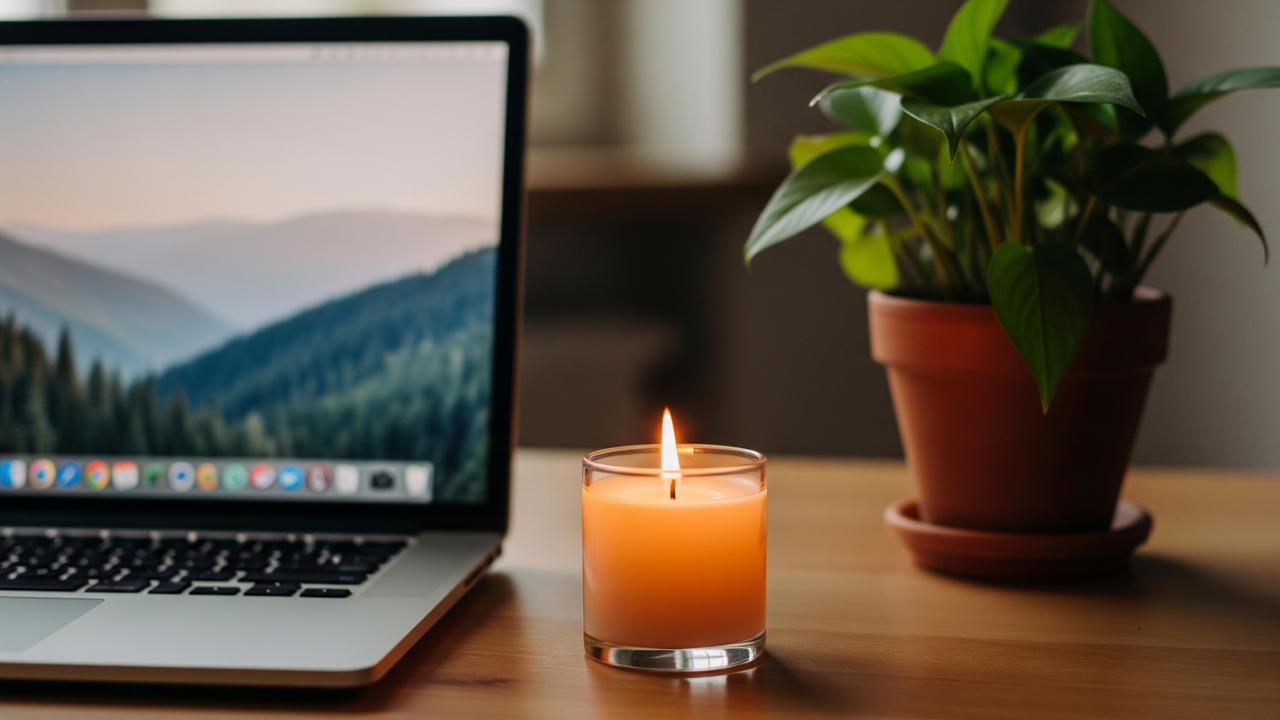
Lighting a candle or incense — Choosing a scent that fits my mood, watching the flicker of the flame, letting the warm glow signal it’s time to shift into a different headspace. For me, lighting a candle feels like more than ambiance—it’s a small ritual of intention, a way to stir a little everyday magic into my space.
These aren’t chores—they’re sensory experiences that pull you into the present.
3. How Rituals Support an ADHD Brain
Living with ADHD can feel like constantly chasing a dozen thoughts at once. There’s a never-ending stream of ideas, reminders, and distractions all competing for space in your head. For me, rituals are a way of calming that mental noise.
They help by:
-
Creating predictable patterns — Reducing decision fatigue and mental clutter (Verywell Mind).
-
Providing sensory cues — Smell, sound, and texture help anchor you to the moment.
-
Marking transitions — Transition rituals make it easier to shift between tasks, which can be especially challenging for ADHD brains (ADD.org).
Mindfulness-based practices, even in small doses, have been found to reduce distractibility and improve emotional regulation for those with ADHD (National Library of Medicine).
Ritual Starter Ideas for ADHD Brains
-
Light a candle before starting deep work.
-
Take a short walk around your block every afternoon or when your brain is attempting to focus on ten different things at once.
-
Play the same calming playlist when cooking dinner.
-
End your day by jotting down three things you’re grateful for.
4. Tips for Creating Your Own Simple Routines for ADHD

Start small — Pick one or two actions you can easily repeat.
Tie them to something you already do — Habit stacking works well for ADHD by linking new habits to existing routines.
Engage your senses — Adding a scent, sound, or texture can make a ritual more grounding(Kristen McClure Therapy). Think of my ritual when picking a particular cup for my coffee — the aesthetics of the ceramic, the feel of it, the sound it makes when it clinks into the saucer — all play a role in the ritual.
Let them evolve — Your needs and environment will change; your rituals should too. Some days lighting incense feels right, while other days I reach for a candle—letting the ritual change depending on what my energy needs most.
5. The Bigger Mental Health Benefits

Small rituals might seem insignificant, but they can have profound mental health benefits:
-
Stress reduction — Predictable habits help reduce anxiety and overwhelm (Sunshine Functional Medicine).
-
Mindfulness — They pull your attention into the here and now.
-
Emotional regulation — Rituals have been shown to reduce stress responses in the brain (Journal of Neuroscience – via Substack summary).
-
Connection to space — These actions make your home feel more like a sanctuary.
Your day is already full of tiny moments—drinking your coffee, opening a window, sitting with your thoughts. When you consciously choose to make them meaningful, even the smallest acts can become a form of self-care. The next time you water your plants or light a candle, think of it as part of your own simple routines for ADHD—a little ceremony of intention, a spell of sorts woven into everyday life. These aren’t “just” habits—they’re quiet acts of magic, and over time they create real shifts in mental health, anchoring you with calm and steadiness when the world feels overwhelming.