Low-Maintenance Indoor Plants for ADHD Minds
Plants have always flipped a switch in my brain. The moment I’m around them, my senses ease into calm mode. It feels like Mother Nature herself is wrapping me in green and whispering, breathe. I never questioned it. I just knew that being surrounded by living things grounded me.
When I was diagnosed with ADHD as an adult, I realised it was more than just loving beauty and nature. It was a kind of magic—a quiet medicine Mother Nature had been offering me all along.
Over the years, I hyperfocused hard. I bought pot plants with big plans. But then the hyperfocus faded. My green friends turned into crunchy shells. The guilt crept in. Negative self-talk followed: “You can’t even look after a plant.” “You’re useless.” But that doesn’t help anyone.
I learned some plants forgive neglect better than others. They bounce back even after weeks without care. Along the way, I picked up a few hacks. These help reduce burnout and ease self-blame.
This post follows one I wrote earlier, Pot Plants, Coffee, and Sanity: Therapeutic Gardening in Small Spaces. It covers how small gardening rituals bring control and joy.
Here are some of my favourite low-maintenance indoor plants that don’t hold grudges. Plus, hacks to keep them thriving when life gets busy.
Snake Plant (Dracaena trifasciata)
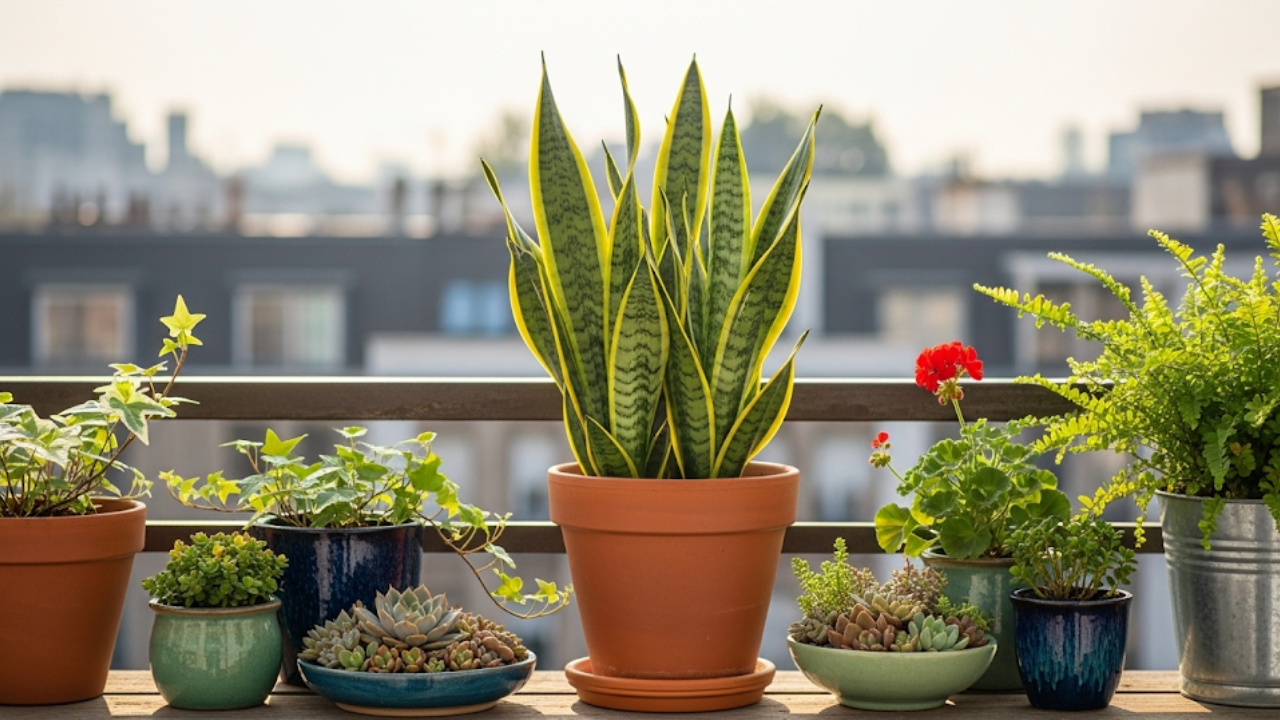
The Snake Plant is a steadfast guardian in leafy form—almost impossible to kill and quietly watching over your space. Its tall, upright leaves stand like protective blades. That’s why folk magic often uses it to ward off negative energy.
It’s happy in low light or bright indirect sun. It only asks that I let the soil dry completely before watering. Overwatering is its only real weakness. Give it a well-draining pot and the occasional drink. It will thrive for years, filtering the air and keeping unwanted vibes at bay.
Place one near your front door to help keep out unwanted energy while inviting calm and protection.
Chinese Jade (Crassula ovata)
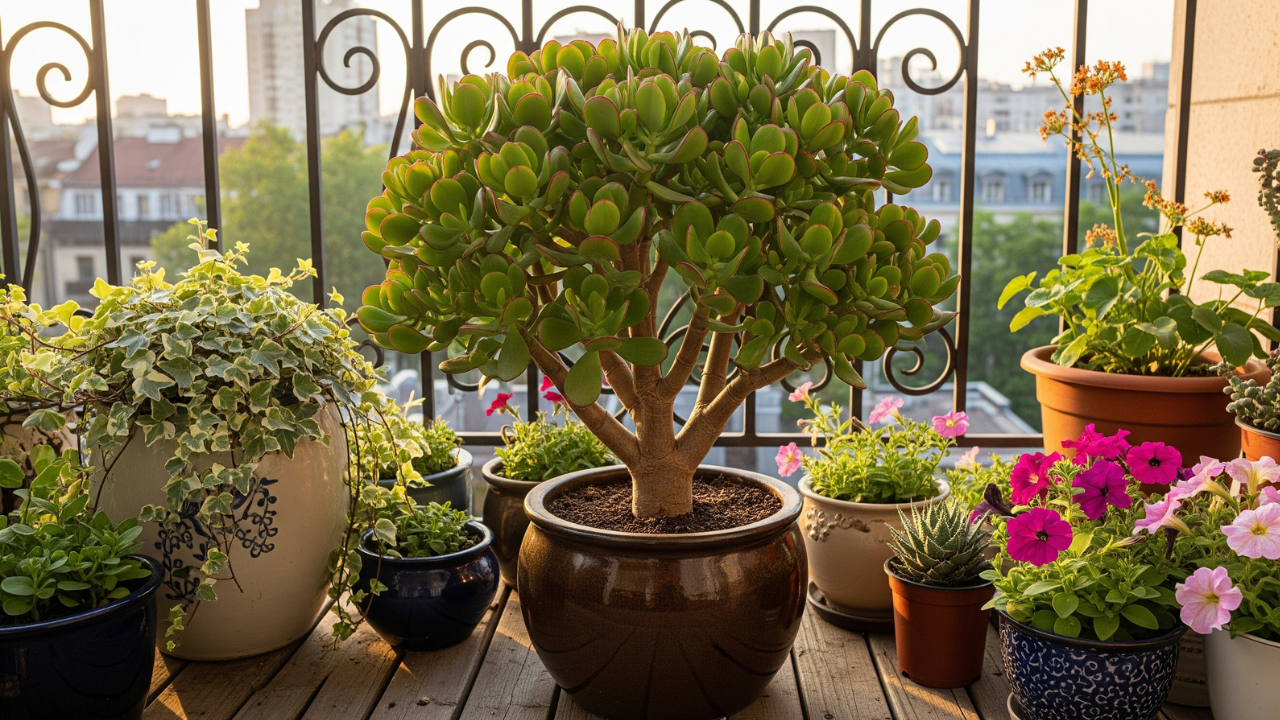
Chinese Jade is more than a beautiful succulent. It’s a symbol of prosperity, luck, and abundance. Its plump, coin-shaped leaves are said to attract wealth and good fortune. That’s why people often place it near doorways or sunny windows.
Mine sits by my front door. Once, I left it without care for three months while I was away. When I returned, it was shriveled and sorry-looking. But after a generous drink, it came back to life. New leaves unfurled before long.
Watching a jade plant recover brings me so much joy and feels magical. It’s like the plant isn’t just reviving itself. It’s inviting fresh energy and prosperity back into the space.
Pothos or Devil’s Ivy (Epipremnum aureum)
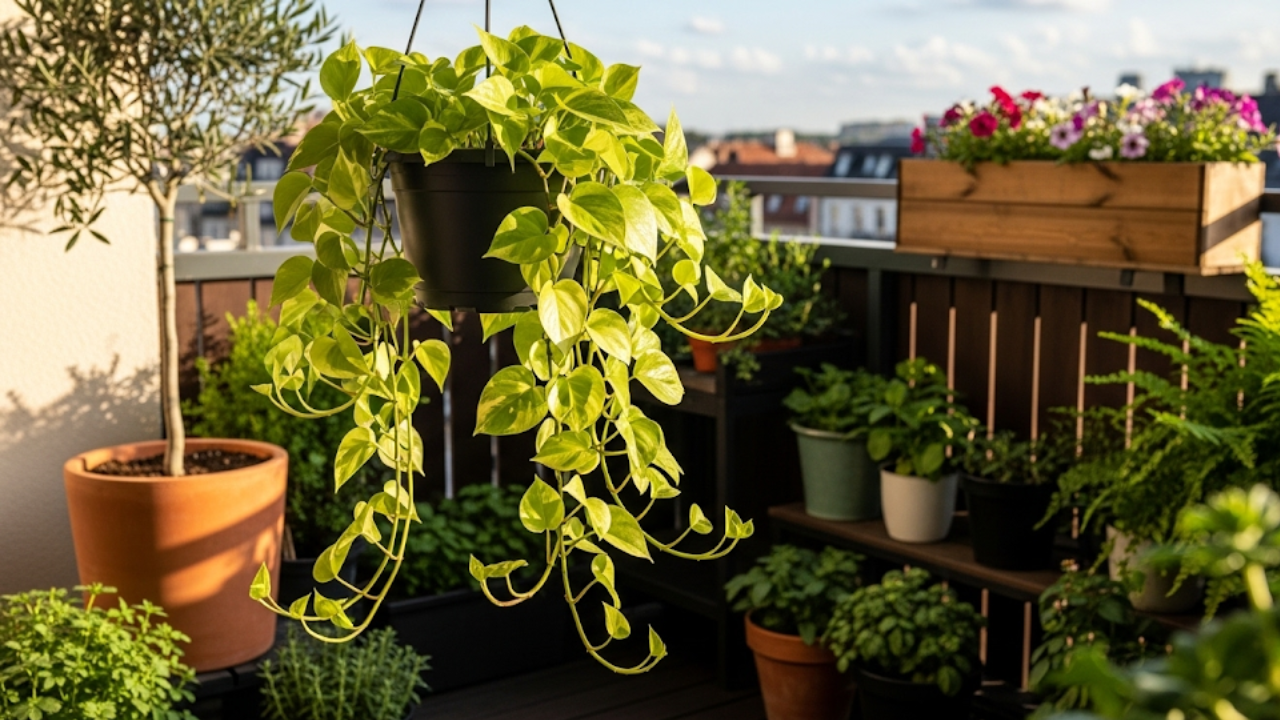
Pothos, or Devil’s Ivy, grows fast and trails beautifully. It thrives in many light conditions, making it perfect for busy witches or beginner plant keepers.
Magically, Pothos links to prosperity, abundance, and perseverance. Its never-ending vines remind us to keep our goals and intentions growing.
I keep mine high so the vines can spill over shelves. It’s also toxic to pets, so hanging it out of reach keeps curious animals safe. Water only when the soil feels dry. It will reward you with lush greenery that feels like a living spell for abundance.
Hang it high to protect pets and let the trailing vines symbolically “draw” prosperity into your space.
Elephant Bush (Portulacaria afra)
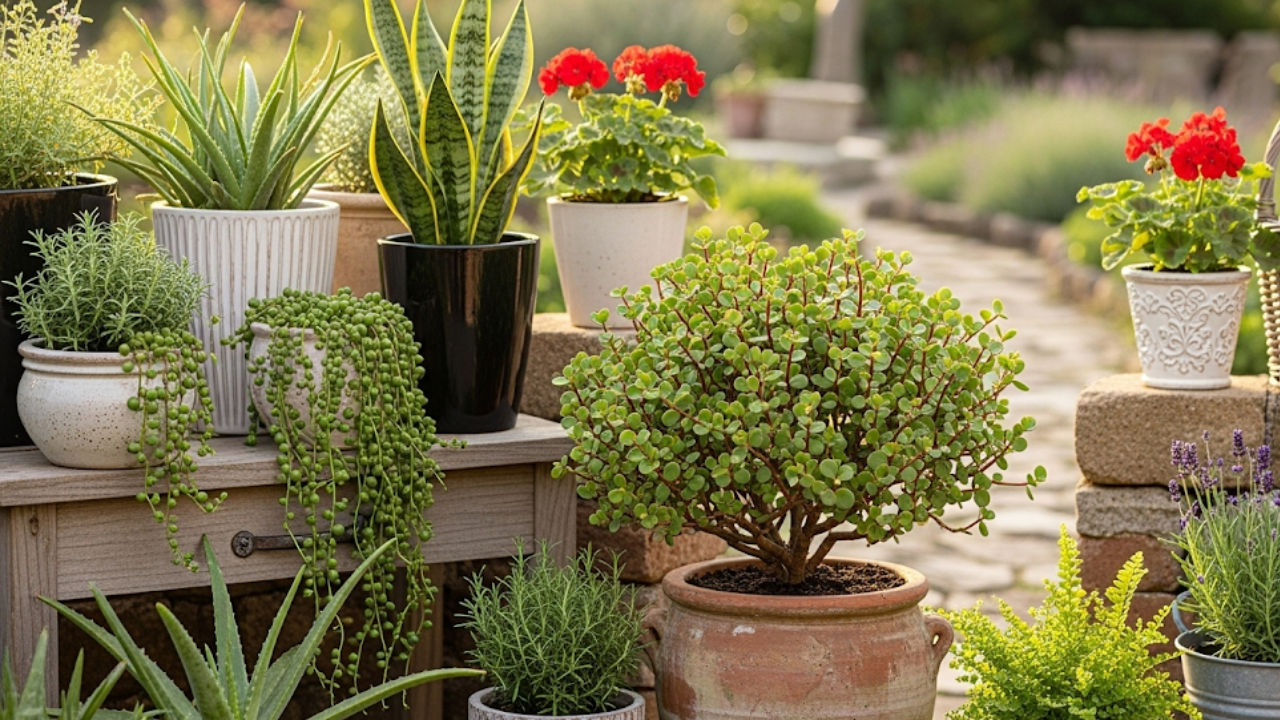
Elephant Bush, also called Dwarf Jade, is a hardy succulent with small, coin-shaped leaves. It’s a natural choice for prosperity and abundance magic.
Growing up, we had one in our front yard. My dad called it a “money tree.” I didn’t realise it wasn’t technically the famous money tree until later, but the name stuck.
Now, I keep one by my front door. Like my Chinese Jade, it once sat shriveled for ages while I was away. A good soaking brought it back. The leaves plumped up as if nothing had happened.
This plant loves bright light and forgives neglect. It reminds me that luck, like growth, can return when you least expect it.
Place near your front door to symbolically “welcome” prosperity and luck into your home.
Basil (Ocimum basilicum)
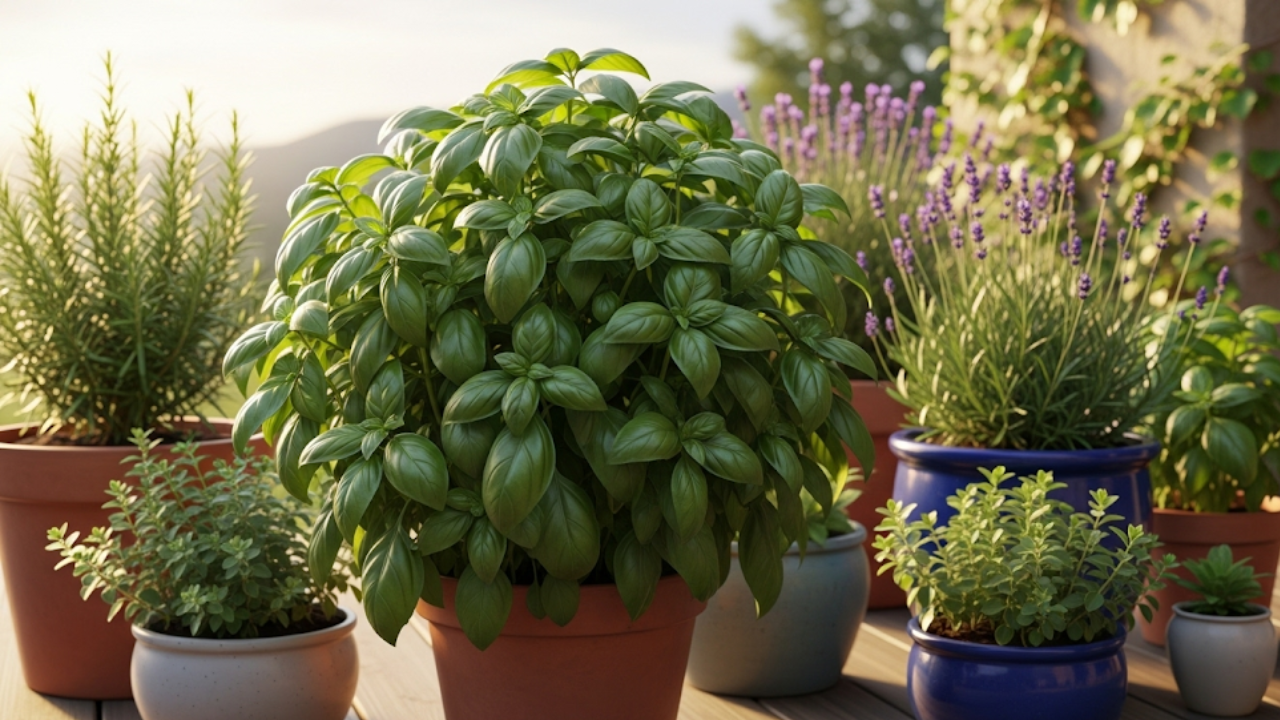
Basil is more than a kitchen herb. It’s rooted in magic, linked to love, protection, and prosperity. Folklore says keeping basil near your doorway invites abundance and wards off negative energy.
Mine grows in a pot. I trim it just above the growth points so it stays bushy, not tall. I make fresh pesto with the leaves and love the scent when I brush past it.
Basil is supposed to be a warm-weather plant, but mine surprised me. It thrives all year round—even when I started it in winter in Melbourne, Australia.
Maybe it’s my ADHD-and-Sagittarius energy, but I don’t like waiting for the “right time” to start things. Basil seems to grow on its own terms – much like me.
My ADHD Plant Hacks
I’ve stopped trying to do it all myself. Here are some tricks that help me keep plants alive:
-
I set phone reminders to water them, especially in summer.
-
I ask someone to remind me—my partner, kid, or a friend who loves plants too.
-
When my hyperfocus fades, I hand off plant care for a while. There’s no shame in that.
-
Forgiving myself when I forget is huge. I don’t beat myself up anymore.
These plants aren’t just decoration. They’re a gentle connection to nature’s rhythms and a reminder of the quiet magic all around us. When they forgive neglect and bounce back, it’s a sign that Mother Nature is forgiving too—and she asks us to offer ourselves that same kindness and grace. Tending them is a way to honor that connection—and to show myself care, even if it’s imperfect.
Living with ADHD means embracing imperfection and finding what truly works. These low-maintenance plants have taught me that care doesn’t have to be perfect to hold meaning. They bring calm and subtle magic, helping steady my restless mind and root me in the present moment.
If you’re like me and sometimes struggle to keep up, remember this: it’s okay to ask for help, set reminders, and forgive yourself along the way. Caring for plants is more than upkeep—it’s a way to nurture a little peace, presence, and sacred energy in our busy lives.