Why ADHD Symptoms in Women Hold Back Creativity
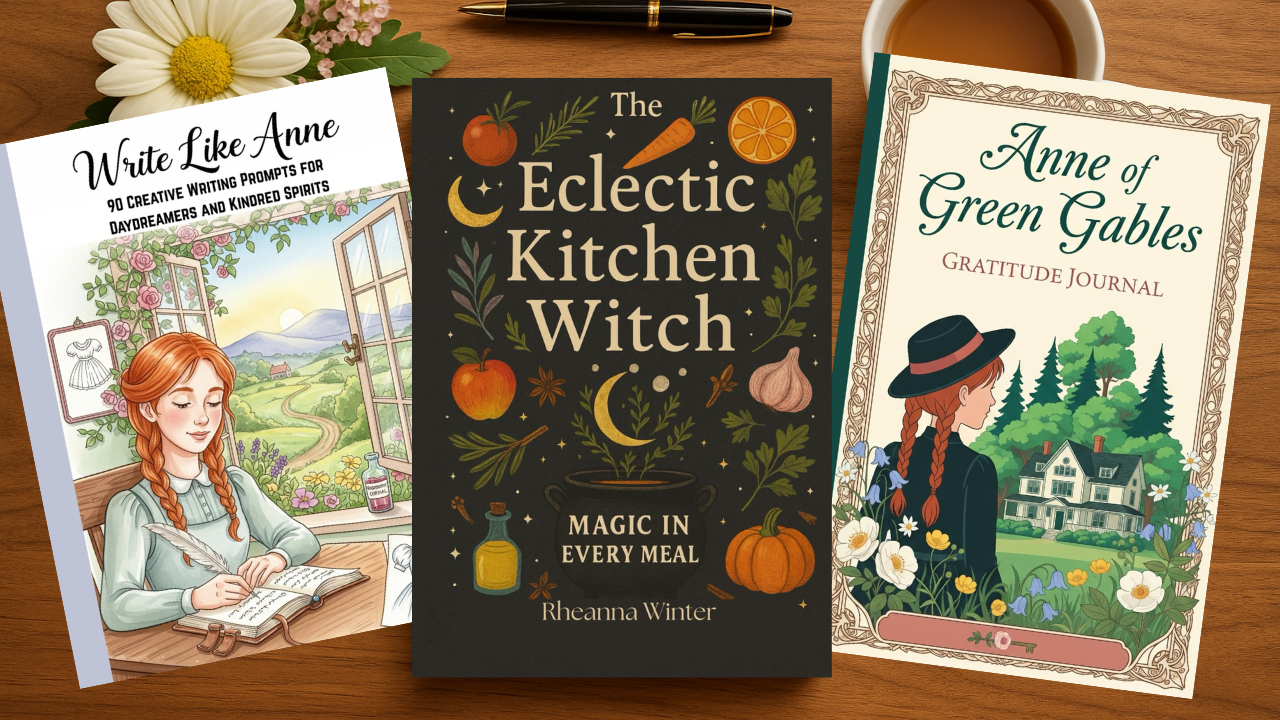
For most of my life, I created quietly. When I did share, half-interested responses from acquaintances made me think it was safer to keep things to myself—a reaction that now feels tied to ADHD symptoms in women, especially rejection sensitivity. About five years ago, I designed a gratitude journal inspired by Anne of Green Gables. I knew it wasn’t a novel or short story, but I believed there might be a niche for fellow Anne fans like me. So I put it into the world—without telling anyone in my circle.
It hasn’t flown off the (virtual) shelves, but it’s sold a steady few copies each month ever since. This morning, I thought about how I made that journal before my ADHD diagnosis. Looking back, I can see how Rejection Sensitivity Dysphoria (RSD) influenced my choice to stay quiet, focusing instead on strangers rather than risking the scrutiny of people I knew.
ADHD symptoms in women don’t always look the same
One thing I’ve learned since my diagnosis is that ADHD symptoms in women often fly under the radar. We don’t all bounce off the walls or blurt out answers in class. Often, it shows up as overthinking, perfectionism, procrastination, or emotional intensity. It also shows up in intense hyperfixations — like this one I wrote about my recent fixation with Michael C. Hall.
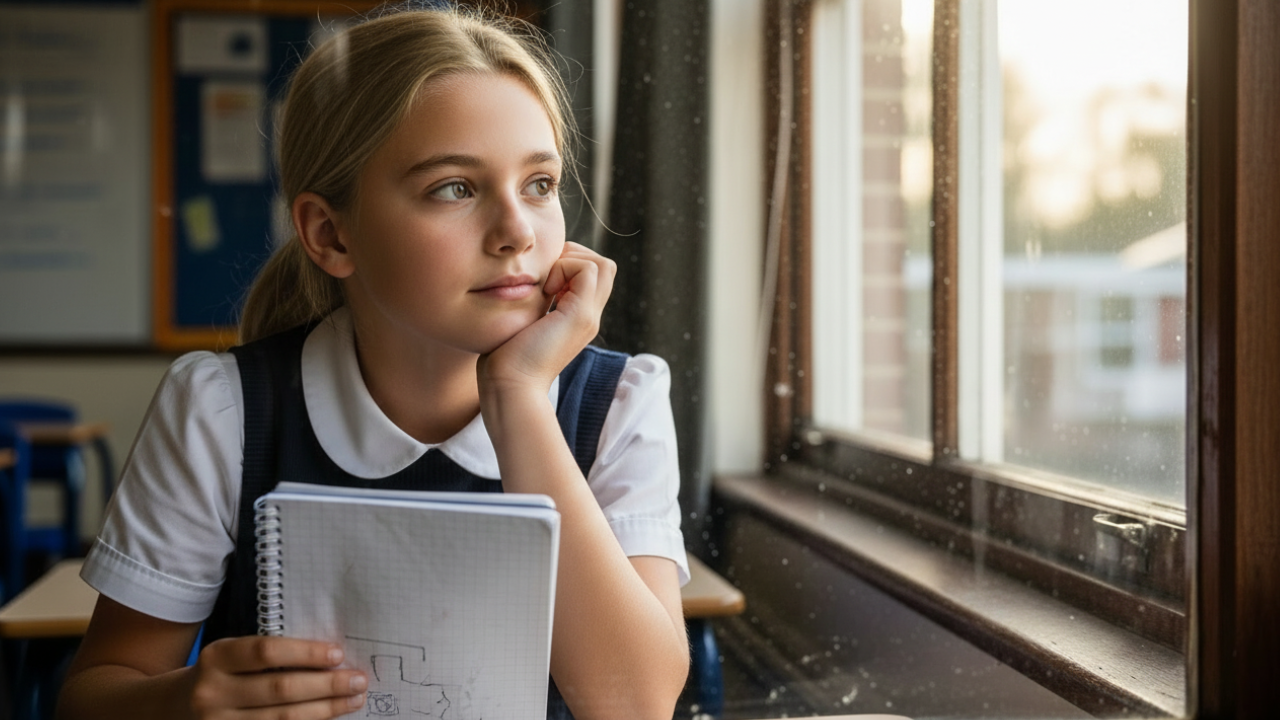
For me, ADHD first showed up as social anxiety. Unless you really knew me, I rarely spoke. And when I finally felt comfortable, the words sometimes tumbled out in a jumble that made little sense. At school, I was the quiet daydreamer, staring out the window while lessons blurred into the background. Teachers saw me as distracted or lazy—what they didn’t see was the storm of thoughts and feelings going on inside.
ADHD paralysis and creativity

Another layer is ADHD paralysis. It’s not just procrastination—it’s the freeze that happens when there are too many choices and the brain locks up. I could have a dozen ideas for journals, stories, or articles, but instead of finishing them, I’d chase the one that offered the biggest dopamine hit in the moment. The rest drifted onto a permanent back burner.
Even when I followed through, paralysis would creep in at the finishing line. Fonts, cover colors, keywords—I’d spiral into tiny details that didn’t really matter. Eventually, I’d hit publish, but I wouldn’t mention it. Not because I lacked energy, but because I assumed the response would be dismissive, or worse: “Who does she think she is? She’s no expert on this topic!”
RSD may not appear on every official list of ADHD symptoms in women, but it carries weight. For me, the thought of someone rolling their eyes at my work was enough to keep me quiet. I designed books, formatted pages, and hit publish—but never shared the links. If no one in my circle of friends and family knew, no one could judge. A stranger’s bad review might sting, but it was faceless and fleeting.
The Turning Point — for now.
Something has shifted, and it might just be the mood I’m in right now. In a few days, I may regret posting this. Maybe it’s age, maybe it’s the relief of having a diagnosis, or maybe it’s the lunar eclipse tugging at my Gemini rising. Whatever it is, I don’t want to hide my creativity anymore. At least, not today.
I’ve made things I’m proud of. They may not be bestsellers, but they’re mine. And strangers have chosen them, used them, and maybe even found comfort in them. That feels worth sharing.
So here it is: I make books. Gratitude journals, writing prompts, witchy guides—small sanctuaries of paper and ink I once kept to myself. I’m also creating a book of my short stories in the magic/gothic realism genre that will hopefully be finished at the end of September, titled An Ordinary Kind of Strange.
Why I’m sharing this now
I’ve come to realize—thanks to ADHD forums, social media groups, and late-night scrolling—that there are plenty of women like me. Women who create in secret, who overthink every step, who let rejection sensitivity or ADHD paralysis keep them silent. Knowing that I’m not alone has been reassuring and motivating.
The only way forward is to put myself out there. In the end, what’s the worst that could happen? A stranger scrolls past? Someone rolls their eyes? More likely, it will be me telling myself the old story of being a failure. But that voice doesn’t get to decide anymore.
I don’t have a tidy conclusion about “overcoming” ADHD symptoms in women, or a step-by-step fix for ADHD paralysis. What I do have right now is a choice: not to hide.
If you’ve been keeping your creativity tucked away out of fear, you’re not the only one. The fear is real—but so is the relief of finally letting your work be seen. I’ll admit, I’m anxious about clicking “publish” on this very post. But I’ll take a few deep breaths, hit the button, and eventually let it go.
If you’ve ever hidden your creativity out of fear, I’d love to hear your story. Drop a comment below—sometimes just saying it out loud is the first step to letting it be seen.